

World of Warcraft’s Season of Discovery (SoD) has turned gold farming into a new kind of adventure. Whether you’re a casual player with limited time or a hardcore gamer chasing BiS items, gold is more important than ever – it fuels everything from gear upgrades to experimenting with the new Rune Engraving system. In this comprehensive guide, we’ll explore the best gold farming spots and methods in 2025, delve into class-specific strategies, share Auction House secrets, and highlight community insights to keep you ahead of the economic curve. Grab your bags and let’s start maximizing your gold earnings in WoW SoD 2025! Recently we actually made guide for ppl who still playing WoW TWW and wanting to know how to farm gold in wow retail if you’d like to check as well!

Why Gold Is More Important Than Ever in Season of Discovery

Season of Discovery isn’t just another WoW update – it’s a fresh take on Classic WoW with unique twists. The level cap has progressed through phases (from a humble 25 in Phase 1 up to 60 by Phase 4 and beyond), unlocking new dungeons, raids, and features. Each phase brought changes to the game economy. Gold has always been crucial in WoW, but in SoD gold is pivotal: you need it to acquire gear upgrades, to experiment with new builds and Runes, for mounts and skills, and to navigate features like the Rune Engraving system.
In 2025, with Phase 7 unleashed, players face reworked Naxxramas and the Karazhan Crypts, alongside events like the Scourge Invasion. New content means new expenses – from costly raid consumables to powerful enchants. The economy has matured and inflation has set in as more gold entered circulation over time. But fear not: Blizzard has also introduced ways to balance the economy. For example, daily dungeon quests and unique currencies (like Tarnished Undermine Reals) provide steady gold or tradeable rewards, while acting as gold sinks for high-end gear. It’s a dynamic marketplace, and those who adapt will thrive.
So, how do you thrive? By understanding where the gold is, how player behavior has shifted, and how you can take advantage of new opportunities while avoiding pitfalls. Let’s dive into the best farming spots and methods that work right now, in 2025, so you can bankroll your adventures in Azeroth.
Best Gold Farming Spots and Methods in 2025
No matter your playstyle, there’s a gold farm out there for you. From tranquil fishing spots to high-octane dungeon grinds, here are the top gold-making methods and locations in Season of Discovery 2025:
Open-World Farming Hotspots
Wetlands Murlocs (Low-Level Farm)

Don’t underestimate low-level zones! Wetlands murlocs drop Fish Oil (needed for certain SoD rune quests) and Iridescent Pearls from clams. Pearls can sell for several gold each due to demand by profession quests and crafts. It’s a beginner-friendly farm that helped many Phase 1 players get their first 50+ gold. Plus, you’ll rack up cloth and grey loot that vendors nicely. This spot is relaxed and great for casual farming while you chat or watch a stream.
Redridge & Duskwood Quests Items

Some mundane items turn into gold mines because of quest demand. For example, in Redridge, Great Goretusk Snouts, Tough Condor Meat, and Crisp Spider Meat are needed for the famous Goulash quest. Players leveling alts often buy these instead of farming themselves, so savvy farmers clean out the local beasts and list the meats on the Auction House. Likewise, in Duskwood, watch for items like Ghoul Fangs or Shadowgem from low-level quests – if supply is low, they can fetch surprising prices. These farms are perfect for casual players leveling up: you gain XP and gold simultaneously.
Hillsbrad Foothills (Humbert’s Helm Farm)

For a more unusual farm, elite mobs in southern Hillsbrad drop Humbert’s Helm – a BoE leather helmet that is pre-raid BiS for many agility classes. Because twinks and raiders want this item, it sells for a hefty amount of gold on the AH. You’ll need a solid level (~25-30) group or a geared character to farm these elites, but the payout can be big if you snag a Helm. It’s a high-risk, high-reward spot – the rarity of the drop is balanced by its high value to players preparing for raids.
Felwood Satyrs (Felcloth Farming)

As phases progressed into the 50+ level range, Felwood became a gold maker’s paradise. Satyr demons in Jadefire Run drop Felcloth, a rare tailoring material used to craft Mooncloth and epic robes. In 2025, tailors still need tons of Felcloth, so demand is strong. A dedicated farmer can grind satyrs, gather Felcloth and demonic runes, and either sell the Felcloth raw or craft Mooncloth (on its cooldown) for profit. It’s a bit competitive – you might be racing other farmers – but with patience you can stockpile a valuable stash. Tip: Bring nature protection potions or a class with self-healing, as the satyrs hit hard and curse you.
Winterspring Furbolgs (E’ko Farming)

Winterspring’s ice-furred furbolgs (Winterfall tribe) drop Winterfall E’ko, which players collect for a buff quest (“Luck Be With You”). These E’ko items became surprisingly lucrative – many raiders buy them to get the Frenzy of Zandalar-style buff for extra stats. By organizing a farm group to massacre furbolgs, you can collect plenty of E’ko and sell them in bulk. Not only do you earn gold, you’ll also gain Timbermaw reputation passively, unlocking other rewards. It’s a social farm too – players often turn this into a mini-event, joking in party chat as they grind out E’ko for gold.
Elemental Hotspots (Essences)

Elemental materials are the lifeblood of high-end crafting. In Phase 7, Essence of Fire is a standout example – fire elementals in zones like Un’Goro Crater or Searing Gorge drop them, and each Essence still sells for around 5 gold apiece. Similarly, Essence of Air from Silithus wind elementals, or Essence of Water from Eastern Plaguelands water elementals, command high prices due to their use in resistance gear and powerful enchants. Find a less crowded spawn area and grind out these elementals. The drops are a bit RNG, but when that elemental core or essence drops, it’s like seeing a gold coin sparkle on the ground. You’ll also pick up elemental earth, fire, etc., which sell in stacks. Hardcore farmers love these spots for their steady demand – raiders need resistance potions and gear, and you’ll be their supplier.
Rich Thorium Veins (Mining Routes)

If you have Mining, one word: Arcane Crystals. These gems from Rich Thorium Veins are always in demand (for Arcanite Bars used in epic crafts and legendary quests). Skilled miners route through Eastern Plaguelands, Winterspring, and Azshara, hitting known spawn points on a circuit. On high-pop servers it’s competitive (you might feel like you’re on a bizarre safari chasing spawn points), but even a single Arcane Crystal can sell high. Some dedicated players learned to anticipate spawn patterns, rotating between zones to maximize finds. One enthusiastic farmer on a forum even reported holding 185 Arcane Crystals in reserve for Phase 4+ crafting rushes– a testament to how lucrative this can be. If competition is fierce, try off-peak hours or less-trafficked zones like Burning Steppes. Over time, you could literally strike gold in those green gems.
Classic Rare Finds

Keep an eye out for rare world drops. Things like Blue Dragonhide Shoulders, Staff of Jordan, or Orcish War Leggings can drop from random mobs. These BoE epics or rares often sell to collectors or min-maxers. While you can’t target farm a specific world drop easily, focusing on areas with high mob density (e.g., Tyr’s Hand in EPL for elite humans, which also drop lots of silver and runecloth) gives you a shot at these lottery drops. Always check the loot – that green item could be a valuable twink sword or a recipe worth 100g. It’s the thrill of the hunt!
Dungeons & Group Farming Methods
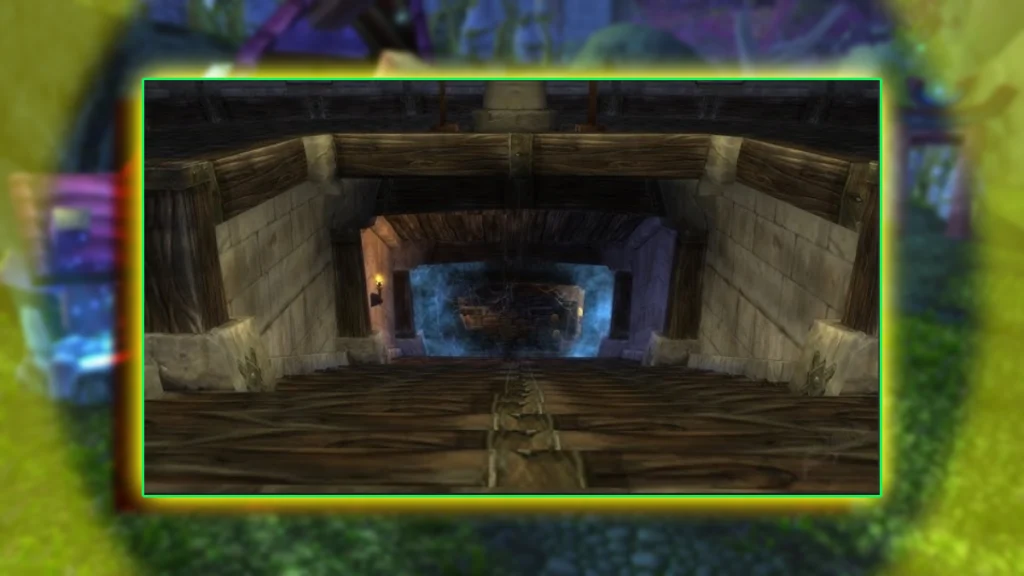
Sometimes the best gold per hour comes from instanced content. In 2025, players have found clever ways to turn dungeons into gold farms – often by farming valuable loot or raw gold drops, sometimes by exploiting unique mechanics of SoD. Here are top picks:
Zul’Gurub Trash Runs
Gather some guildmates or friends and head to Zul’Gurub (ZG), the classic 20-man raid. You don’t need a full raid – even a half group can loop through the easier trash packs. The trash mobs drop a decent amount of raw gold and vendor loot, and you’ll also collect ZG coins and bijous used for reputation turn-ins. These tokens sell well to people working on Zandalar rep for shoulder enchants. Meanwhile, you gain rep and have a shot at the rare Primal Hakkari bijous (used for class enchants) which sell for premium. It’s fun and effective, almost like a mini-dungeon run. Players report this method is great gold while also progressing ZG rep for everyone. Just reset the instance after clearing certain areas and repeat. It’s cooperative farming at its finest – cracking jokes on Discord while the coffers fill up.
Dire Maul East “Lasher” Farm
An old classic that still shines in SoD. In Dire Maul East, the corridor gardens are full of Lashers (plant mobs) that can be AOE-farmed by mages or paladins efficiently. They have a high drop rate of herbs (including valuable Ghost Mushrooms and Gromsblood), and tons of grey loot that vendors well. If you’re a Mage with good gear, you can solo pull packs of lashers and Blizzard them down, filling your bags with herbs and cloth. Enchanters love this too, as the bosses drop green items to disenchant. It’s a solo instance farm where you control the pace. Be mindful of the 5 instances/hour limit – but hitting that means you’re farming super fast! Even after years, Lasher farming remains peaceful, consistent gold. You might leave with several stacks of herbs to sell or use in Alchemy.
Stratholme & Scholomance Runs
At level 60, these undead-infested instances are treasure troves. Stratholme has two sides: Live (Scarlet) and Dead (Undead). On the Undead side, each run can yield Righteous Orbs from Scarlet Archmages and Crusaders – these orbs are needed for the Crusader enchant and still go for good gold. In SoD Phase 7, many melee are enchanting new gear, so orbs move fast on the AH. Stratholme undeads also drop Dark Runes (from Skeletal Mages), a consumable for mana users, which raiders buy for long fights. On the Live side, you can farm Scarlet Crusade gear pieces that some players collect, and lots of Runecloth. If you’re a Paladin or Mage, you can even AoE farm packs of undead mobs (Paladins excel with Consecration against undead). Meanwhile, Scholomance offers Bone Fragments, Dark Runes, and rare BoE patterns (like the Infused Gem recipe, etc.). Running these with a group and splitting loot or soloing as a geared 60 can net a hefty sum.
Pro tip: Disenchant almost everything green or blue you don’t need – Scholomance blues DE into Large Brilliant Shards which are always in demand for top enchants.
Blackrock Depths (BRD) Angled Farms
BRD is massive and holds many opportunities. Stealth classes (Rogues and Druids) often do “Lava Run” pickpocket farms – sneaking through the Depths to pickpocket Dark Iron mobs for coins, junkboxes (which can contain rare gems or epic plans), and other goodies. A rogue can easily make a stack of junkboxes in a run, and those can be opened for lockpicking skill ups or sold to other rogues if they contain the precious Formula: Enchant Weapon – Fiery Weapon or similar items. BRD also has the Arena where groups farm the special boss for the chance at Savage Gladiator Chain (a valuable warrior chest) – if it drops and someone in your group doesn’t need, that’s AH gold right there. Even Emperor runs (the final boss) shower you in coins, runecloth, and Blood of the Mountain (rare drop from golems) which miners can extract from Dark Iron nodes. Essentially, a full BRD clear with loot share can leave you with piles of raw gold, crafting mats, and sellable BoEs. It’s a long run, but very adventure-rich – you’ll make memories and money.
Dungeon Daily Quests (Phase 5+)
Blizzard added daily quests in Blackrock Depths and likely other high-level dungeons to encourage participation. One notable daily in BRD offers ~50 gold for about 20 minutes of work! That’s huge, considering classic never had such repeatable gold sources. These quests might involve killing a particular boss or completing a task. They’re a one-and-done per day but are absolutely worth doing – even if you’re casual, try to log in for the daily quest, as 50g covers your raid consumables for the day. Over a week, those dailies add up to a small fortune, all for doing fun dungeon content that also drops loot.
Tarnished Undermine Real Farm (Daily Dungeon Currency)
In Phase 7, a new system was introduced: each max-level dungeon boss drops a “Tarnished Undermine Real” once per day. Think of this as a token of valor – you can’t just spam dungeons endlessly for gold; instead, you’re rewarded for doing a variety of dungeons each day. The best approach is to clear the five main level-60 dungeons (like UBRS, Strat, Scholo, etc.) each day to collect multiple Reals. Why? These can be exchanged in Booty Bay at Pix Nizzix for valuable rewards, including pieces of Tier 0 (Dungeon) sets and even crates that contain rare trade goods like Black Lotus, Librams, and Greater Eternal Essences. Smart farmers in 2025 farm these Reals on multiple characters, then turn them in for high-demand items to sell. It’s a bit like doing your dailies, but instead of gold directly, you’re stockpiling valuable loot that commands high prices on the Auction House. If you can consistently do this, you’re effectively printing gold in the long run – plus getting geared! Just note the daily reset at 9am server; plan your dungeon runs accordingly.
Group Elite Farms (World)
Some lucrative farms require a small group. For example, Azuregos’s spawn area (in Azshara) or Lord Kazzak’s area (Blasted Lands) have high-level elites that drop extra coin and loot. While these world bosses themselves are raid content, the surrounding monsters can be farmed. In Silithus, groups farm Twilight cultists and elementals to gather Abyssal Crests and Twilight Texts; turn-ins from these can reward Cenarion Circle rep and items like Greater Nature Protection Potions which sell well when AQ or certain events are active. Another group farm: Frostwhisper Gorge in Winterspring – rich in Yetis and demons that drop decent vendorables and the occasional epic. Organizing a farm party can also be more fun and safe (no ganking worries if you’re on PvP server and have backup). Anytime you can combine socializing with farming, the grind feels less like work and more like a shared adventure.
Professions & Crafting for Profit

Sometimes the best gold is made not by slaying monsters, but by playing the economy with professions. In SoD 2025, every profession has its niche to make money:
Gathering Professions (Mining/Herbalism/Skinning)
These are evergreen gold-makers. If you like roaming the world, gather herbs and ore as you go – they always sell. Herbs like Plaguebloom, Dreamfoil, Black Lotus (now more available but still needed for flasks) are crucial for raiders’ consumables. Mining ore (Thorium, Mithril) and smelting bars can net steady income, especially Arcanite Bars (with a 2-day transmute cooldown) which alchemists will pay a fee for if you provide Crystal + have a CD. Skinning is fantastic if you join farms: hop into a 5-man skinning party in Un’Goro or Blasted Lands where you mass-kill beasts and everyone skins the corpses (skinning in a group shares taps). High-end leather like Devilsaur Leather or Black Dragon Scales from elite beasts is used in crafted epics, meaning big profits. An organized 2×4 (2 groups of 4 to maximize taps) skinning farm can yield thousands of leather an hour in Retail; in SoD the concept is similar on a smaller scale. Even without a group, kill beasts while questing and sell the leather. It’s virtually zero extra effort if you’re already out adventuring.
Crafting Professions (Tailoring, Blacksmithing, Leatherworking)
If you prefer crafting, find your niche. Tailoring is known for bag making – bags are eternally in demand. New players, alts, everyone needs bigger bags. Craft the largest bags available (e.g., 14-slot Runecloth Bags or 16-slot Mooncloth Bags) and sell them for a profit. Tailors can also make popular gear like Robe of the Void or Truefaith Vestments if they have rare patterns – these can fetch a hefty sum, especially early in a phase. Blacksmiths can profit by crafting Arcanite Rods (enchanters need them and often are lazy to make it), Titanic Leggings (if pattern is out), or high-demand weapons for twinks (like Iron Counterweights, or Mithril Spurs for boots – small stuff that sells steadily). Leatherworkers can craft Hide of the Wild (best healer cape in early content) or Devilsaur Set for fresh level 60s. Always check what gear is BiS or very popular for current phase and see if you can craft it. Pro-tip: Bags and resist gear (NR gear for AQ, Frost resist gear for Naxx etc.) often become sleeper hits – when a guild needs their raiders to gear up, they’ll snap-buy a bunch of crafted pieces.
Enchanting
Enchanting is a goldmine because it creates consumable services. You can make gold two ways: disenchanting and enchanting for tips. As you run content, disenchant unwanted gear – the mats (Large Brilliant Shards, Greater Eternal Essences, Illusion Dust) sell for premium prices on the AH. Even low-level mats like Strange Dust or Lesser Magic Essence can sell, since new enchanters need them to level up. Alternatively, become a known enchanter on your server for key enchants (Crusader, +100 HP to chest, +30 SP to weapon, etc.). Buy or farm the formulas that drop (some are world drops, like Crusader from Scarlet Monastery), then offer your enchanting service in trade chat. Many players will bring their own materials and give you a hefty tip in gold for the enchant they can’t do themselves. It’s social and profitable – you meet people and they pay you! Some enchanters even stockpile mats and sell enchants as a bundle, essentially flipping mats into a more valuable enchanted item. Just be cautious to price your enchants accounting for mat costs + your time. With disenchanting, remember that some greens are more valuable as items (e.g., “of the Eagle” gear with heavy Intellect can sell to leveling players), so always check prices before scrapping an item.
Alchemy
The potion masters have consistent income. Raiders guzzle Flasks, Elixirs, and Potions every week – and not everyone has an alchemist alt. If you do, capitalize on it. Farm herbs or buy in bulk on cheap, craft them into Flasks of Supreme Power, Titans, Distilled Wisdom, etc., and sell at peak raid times (typically Tuesday/Wednesday nights). Even simpler, craft Healing Potions, Mana Potions, Protection potions (Fire/Nature/Frost depending on phase) – these move quickly on the AH. The profit per potion might seem slim, but volume is key. Also, check for transmute opportunities: every alchemist has a cooldown (like Arcanite, Mooncloth if tailor, etc.). Transmuting Arcanite Bars can net a fee (players will tip you ~5g or more for using your cooldown if Arcanite is in high demand). In later phases, transmuting Primal Hakkari Idol type items might exist (if any new transmute was added for SoD). Also, Elixir of Demonslaying was a hit when players tackled tough demon bosses – think ahead to what consumables upcoming content will need. A forward-thinking alchemist is essentially printing money by preparing what the market will desperately want.
Engineering
While not known as a gold-making profession (it’s mostly for fun gadgets), engineering can still make you gold in SoD. First, engineers craft explosives and scopes that players use. Goblin Sapper Charges (if available in SoD) are raid staples and sell well. Advanced Target Dummies, Goblin Jumper Cables (for battle rezzing), and Frost Reflector trinkets are examples of items engineers craft that some players will pay for. But the real gold for engineers in SoD came from the Auto-Salvage Unit. There’s an engineering device pattern that drops from Sneed in Deadmines, which lets you harvest parts from mechanical mobs (like shredders). Those parts include the Shredder Turbocharger – a key item needed to unlock certain secret Runes. If you farm or craft these auto-salvage items, you can sell them for a handsome profit because everyone needs them to get their rune abilities. Essentially, you become the supplier of a commodity that every serious player wants. If you’re an engineer, make sure to either farm that schematic early or buy it, and then churn out those Turbochargers. It’s a niche market, but extremely lucrative while it lasts.
Fishing & Cooking
Unwind by the water and still make gold. Fishing in SoD has its golden opportunities. For instance, Stonescale Eels (usually fished in Tanaris/Stranglethorn at night) are needed for Stonescale Oil, a key alchemy ingredient for tank flasks. These eels can be rare and therefore command high prices on the AH, especially if tanks are prepping for a new raid tier. Also, Deviate Fish in the Barrens (Wailing Caverns pools) are used to cook Savory Deviate Delight – a fun potion that transforms players into pirates or ninjas. Roleplayers and folks having fun love these, and on many servers a stack of Deviate Delights goes for lots of gold. You can either sell the raw fish or cook them if you have the recipe. It’s a perfect solo casual activity: low stress, and you might reel in some rare catches (Stonescale Eel, Nightfin Snapper for mana regen food, etc.). In 2025, some fish are also only source of certain materials – for example, Mithril Head Trout crates fished from pools can contain mid-level herbs and even lockboxes with goodies. So fishing is oddly fruitful if you know what to target. Pair it with Cooking: sell buff foods like Smoked Desert Dumplings (for melee AP buff) or Monster Omelettes – raiders often buy food if they don’t want to cook. It’s a slower burn way to get rich, but it’s enjoyable and different from the grind of killing mobs.
As you can see, the best gold farming methods in 2025 cover a huge range – whether you prefer slaying monsters, mastering crafts, or playing the AH (more on that soon). The key is to pick the methods that fit your style and schedule. A busy parent with an hour at night might do a quick daily quest and some Auction House flips, whereas a no-lifer (we say that lovingly!) on the weekend might organize a 5-hour farming marathon in Zul’Gurub or a circle of herbalism through four zones. Both can make serious gold. Mix it up to stave off burnout – maybe farm one day, craft the next, do dailies on another, etc. Azeroth is brimming with opportunities for those willing to seek them out.

Class-Specific Gold Making Strategies
Your choice of class in SoD can strongly influence how you should farm gold. Every class has unique abilities that can be leveraged to make (or save) money. Here’s a rundown of class-specific strategies to ensure no matter what you play, you can earn efficiently:
Warrior

As a warrior, you might not have fancy stealth or AOE spells, but you have strength and the ability to tank. One strategy is to tank dungeon farms for groups – you’ll always find people looking to do Strat or BRD runs for quests or rep, and you can collect a tank fee or at least get first pick on unwanted loot. Warriors with good gear also excel at solo farming certain elites: for example, a Fury/Prot warrior can handle Tyr’s Hand elites in Eastern Plaguelands by self-healing with Bloodthirst and First Aid, netting a lot of raw coin and runecloth per hour. If you prefer gathering, take Mining: ride through zones utilizing your high stamina to survive aggro and get those ore nodes (nobody better to handle an angry earth elemental guarding a Rich Thorium than a plate-wearing warrior!). Also, consider selling your services as a tank for hire – many players will tip a skilled tank to help them get through a tough quest or dungeon. While warriors may have to work a bit harder solo, their value in groups is essentially a currency – you are always needed, so leverage that socially.
Paladin

Paladins are the jacks of all trades when it comes to farming. With solid gear, a Protection or Retribution paladin can pull large groups of undead or demon mobs thanks to Consecration and holy damage. A classic farm is Stratholme Undead: a Prot paladin can gather a dozen undead mobs, use Consecration, Holy Wrath, etc., and AOE them down – collecting stacks of Runecloth, greens, and the coveted Righteous Orbs for Crusader enchants. Your self-healing (Holy Light, Seal/Judgement of Light) and bubble make you incredibly safe for such farms. Paladins also have Crusader Aura (in SoD, mount speed boosts might not exist if we’re at Classic mechanics, but they do have a free mount at 40 which saves gold!). Use that mobility to farm herbs and ore quickly, or to get to rare spawn vendors (like limited supply recipes) faster than others. Another trick: if you’re Holy spec, you can still make gold by doing dungeon boosts for lower-level players. For example, a level 60 paladin can boost people through Scarlet Monastery Cathedral or Armory, pulling the whole place and consecrating the mobs down. The lowbies pay you in gold for the fast XP, and you loot all the drops to vendor/DE. It’s a very active income, but it can be rewarding. Lastly, Paladins can fish/cook like anyone, but they also benefit from being welcome everywhere – so join those ZG farms or group farms; you’ll often be the difference that makes the group succeed, and you’ll get plenty of gold share.
Hunter

Hunters are famous for their solo capabilities. Your pet is like a personal tank, and you can kite almost anything. Use this to your advantage: one popular hunter farm is soloing Dire Maul North tribute runs. With clever use of Freezing Traps and pet micromanagement, hunters can avoid killing certain bosses and finish a “tribute run,” yielding Treasure chests at the end with gold and rare items. You can then sell those items or the buffs from the tribute (some players pay for the DM tribute buffs; you clear, they come in and grab buffs, and tip you). Another hunter specialty is farming dragonscales or rare beasts: as a Night Elf hunter, stealth past trash and solo Onyxia’s whelps or King Mosh in Un’Goro by kiting – these can drop rare patterns or tons of leather. Hunters also make fantastic herbalists/miners: Track Herbs/Ore helps you gather while you do loops, and if a mob spots you, your pet can quickly take aggro while you continue picking the flower. If you’re engineer, you have even more fun: employ explosives and your pet to farm heavy AOE situations like Zul’Farrak zombie graves (lay traps, unleash pet, bomb the horde of zombies – it’s extremely satisfying and profitable in terms of vendor loot and cloth). On top of it all, you save money because as a hunter you can solo a lot of quests that others might need groups for, meaning you get all the quest gold for yourself. Just remember to keep your ammo stocked and factor in feeding your pet – a happy pet is your best farming buddy.
Rogue

Rogues might just be the kings of gold farming in SoD. Your stealth and pickpocket abilities open up opportunities no other class can do. A classic is pickpocket farming: go to a densely populated instance like BRD or even lower ones like Scarlet Monastery, and pickpocket every humanoid mob for coins and junkboxes. Those junkboxes often contain extra gold, healing potions, and occasionally rare BoE items or lockpicking skill-ups. In SM Cathedral, for example, you can pickpocket all the Scarlet mobs, vanish, reset, repeat – it’s free money with zero combat. At higher level, BRD pickpocket runs can yield significant gold per hour; one rogue in Phase 2 reported getting dozens of lockboxes and grey items worth ~25-30g per hour just from pockets. Plus, rogues can farm chests in dungeons thanks to stealth. Think about The Stockade in Stormwind (if Alliance) – a rogue can stealth in, pick the lock on the doors, loot chests inside without fighting a thing. Some chests contain rare recipes or blue items that sell for a lot. Rogues are also excellent at soloing lower dungeons for raw gold: Deadmines, WC, Shadowfang Keep – you can stealth through and kill only bosses, loot and reset. SFK in particular has valuable drops (Assassin’s Blade, Shadowfang sword) that twinks will pay hundreds of gold for – it’s a low drop chance, but only rogues have a realistic shot to farm it solo at high level by stealthing directly to bosses. Finally, if you enjoy world PvP, a rogue can even turn that into profit – control areas with rich resources by ganking competition (within the rules of PvP) then farm the nodes exclusively. It’s a cutthroat tactic (literally and figuratively), but hey, rogue motto: “Better to ask forgiveness than permission.” Just be careful – karma hits hard if they bring friends!
Mage

Mages are gold-making machines due to their unrivaled area damage and utility. If you rolled a mage, congratulations – you have some of the most famous gold farms at your fingertips. AOE grinding is your bread and butter. Classic example: pull a pack of 10-15 undead in Western Plaguelands, Frost Nova them, Blizzard kite – voila, a pile of corpses and loot. Mages can farm masses of mobs for cloth, greens, and raw cash faster than anyone. There’s even specific spots: Zul’Farrak zombie graveyard farm – you can solo the zombie waves by kiting in a circle and Blizzard (these zombies drop tons of vendor trash and occasionally rare patterns). Or Maraudon princess runs – solo clear to Princess Theradras, kill and loot her (she can drop Blackstone Ring, an in-demand item, and plenty of gems/loot). Mages also make gold by selling ports – never underestimate how many players will tip 1-5 gold for a portal to a major city. Park yourself in a capital and advertise portals; during peak hours or after raid times, you’ll get rapid requests. It might only be a few gold each, but it’s literally conjuring money from thin air (or rather, from runes of teleportation). Additionally, as a mage you have Conjured food/water – it saves you money (no buying food) and you can even donate or sell stacks cheaply to raiders to earn goodwill (some mages charge a “service fee” to fill up a guild’s mana users with water, though that’s optional). Another mage trick: Enchanter-mage synergy – because you can solo clear dungeons, you’ll get a lot of greens to disenchant, fueling an enchanting business. Finally, with the SoD rune system, some mages may have picked up unique abilities (imagine a rune that increases gold find or something – not sure if that exists, but if any class got a weird farming rune, it’d be mage). Keep experimenting with your build to maximize efficiency. Mages have a rep for being “glass cannons,” but when it comes to farming, you’re more like a gold cannon blasting out riches with every pull.
Warlock

Warlocks share some similarities with mages in farming, but with their own twist. You have a pet and incredible sustain through Life Tap and drains, making you nearly unstoppable in longer farming sessions. One warlock specialty is 2-man farms – for example, pair with a Paladin or Druid to duo difficult content. A Warlock + Paladin can duo certain bosses in Scholomance or even ZG trash: the voidwalker soaks damage, paladin heals and tank swaps with bubble if needed, and warlock DoTs everything to death. This lets you tackle content normally meant for 5+ people, splitting the loot just between two. Solo, warlocks excel at fearing and dotting packs of mobs. You can round up a bunch of melee mobs in a zone, dot them all up (Corruption, Curse of Agony on each), then Fear juggle them while they die to your curses. This “fear bomb” farming is effective in places like blasted lands on the demons for Demon Essence or in Silithus on Twilight mobs. Also, remember your Detect Invisibility and Eye of Kilrogg tricks – sometimes you can scout an area or safely trigger something with those tools to gain an advantage in farming (like finding out where chests or lotus spawns are without clearing every mob). Warlocks can also make gold from utility services: selling summons. With the introduction of summoning stones this might be less common, but on a large server, players still whisper warlocks, “Can you summon my friend here? We’re in Blackrock Mountain and he’s stuck.” If you’re in the area or in a city with two other willing people, you can summon and get a tip. It’s small, but over time even these interactions add up (plus you meet people, maybe recruit them to your guild or farming group). And let’s not forget: Soul Shards are free for you, so you don’t have to spend gold on ammo or reagents like hunters or mages do – a penny saved is a penny earned! Overall, use your tanky voidwalker for heavy lifting, your succubus for crowd control in humanoid farms, and your immense shadow damage to melt down big targets (like farming lower-level elite quests solo for their rewards). The path of shadow can also be a path to riches.
Priest

At first glance, priests seem geared purely towards healing, but they have their niches too. A Shadow priest can solo farm efficiently with dots and Mind Sear (if SoD introduced that from later expansions via runes) or more likely Holy Nova in close range for AOE if talented into Holy. One interesting opportunity: priests can mass dispel certain costly mob buffs, making some farms easier (for example, dispelling enrage or magic shields, saving you time if farming certain elementals or mage-type mobs). If you’re Holy, you can still do surprising things – Holy Nova spam in a low-level dungeon like Stockades or Razorfen Downs can wipe groups of mobs pretty quick for cloth farming. But where priests really shine economically is group synergy. As a healer, you’re the ticket for many farms. Join a ZG coin farm or a dungeon run, and you’re likely to be given unwanted loot (greens to DE or blue BoEs) because DPS often just want their rep or completion. You can also make gold by charging for heals in a sense; some priests set up shop in major cities offering enchants (if enchanter) and free buffs but accept donations. Also, consider Tailoring if you’re a priest – you have a natural advantage with cloth and possibly cooldowns like Mooncloth. Craft and sell those tailored goods we discussed. Another trick: use Mind Control in creative ways. Did you know you can mind-control certain NPCs to access vendors or to have them drop rare items? In Classic, priests could MC a particular mob in Lower Blackrock Spire to have it drop the recipe for Restorative Potion. In SoD, keep ears open for any similar tricks – priests can sometimes “cheat” the system for profit using Mind Control. Lastly, as a priest you save gold by being able to heal yourself (less downtime, fewer bandages/potions needed). It’s hard to put a gold per hour on that, but over a long farming session, that efficiency shows.
Shaman

Shamans are versatile and have some unique perks in farming. As a hybrid class, you can heal, deal damage, and kite to some extent (Frost Shock kiting is a thing!). Elemental shamans can AOE farm lesser mobs with Fire Nova totems and Magma Totems combined with chain lightning, though not as effectively as a mage. Enhancement shamans with decent gear can mow down one target after another with Stormstrike and self-healing from shammy talents. One shining area for shamans: elemental farming. Since you can track elementals (with Sense Elementals) via a Minor Reagent, you have an edge in finding elemental mobs for essences. Whether it’s Earth elementals in Badlands or Air elementals in Silithus, pop your elemental tracking and you’ll never waste time wandering – go straight to the prey, collect those Essences of Air/Water, etc., and make bank. Shamans also have Water Walking, which is wonderful for fishing in hard-to-reach schools (imagine strolling across Bay of Storms in Azshara to fish Nightfin Snapper at spots others need a boat or swim for – you’re literally walking on water for profit!). In group content, a shaman’s off-heals and totems are highly valued; join farming parties for elites or dungeons and you’ll often be the MVP keeping everyone going, which could earn you extra drops or at least lots of gratitude (and future invites). If you’re a Leatherworker (fits the class theme), you could focus on Tribal LW to make things like Devilsaur gear or corehound belts and advertise yourself as the go-to crafter for those. With fewer shamans around (Horde-only if SoD follows vanilla rules), you can corner that market. Overall, shamans might not have one single overpowered gold trick, but they have a toolkit that makes many farms easier and safer, from self-resurrection (Ankh if something goes wrong) to mobile banking (with friends’ help, since you can Astral Recall to town quickly to post auctions then hearth back to farm). Use that Swiss-army knife toolkit to maximize uptime and minimize travel/downtime – the gold will flow in steadily.
Whatever your class, lean into its strengths. If you’re stealthy, go places others can’t. If you’re durable, take on tougher foes for greater reward. If you’re a hybrid, be the glue in group farms. And remember, every class can benefit from professions and the auction house – you’re not limited to just killing mobs for gold. A warrior who’s a skilled blacksmith or a mage who’s a savvy auctioneer can out-earn any pure grinder. In WoW, knowledge is as powerful as your DPS when it comes to making money. So play smart with your class abilities and you’ll find gold-making less of a chore and more of an extension of your class fantasy (yes, even the “Might of the Economy” is a fantasy to fulfill!).
Leveling in WoW Season of Discovery can be a slow and time-consuming grind, especially with new mechanics and progression systems. Speed up the process with our WoW SoD Leveling Boost and get your character to max level quickly, so you can jump into endgame content without the hassle!
Auction House Tips and Tricks
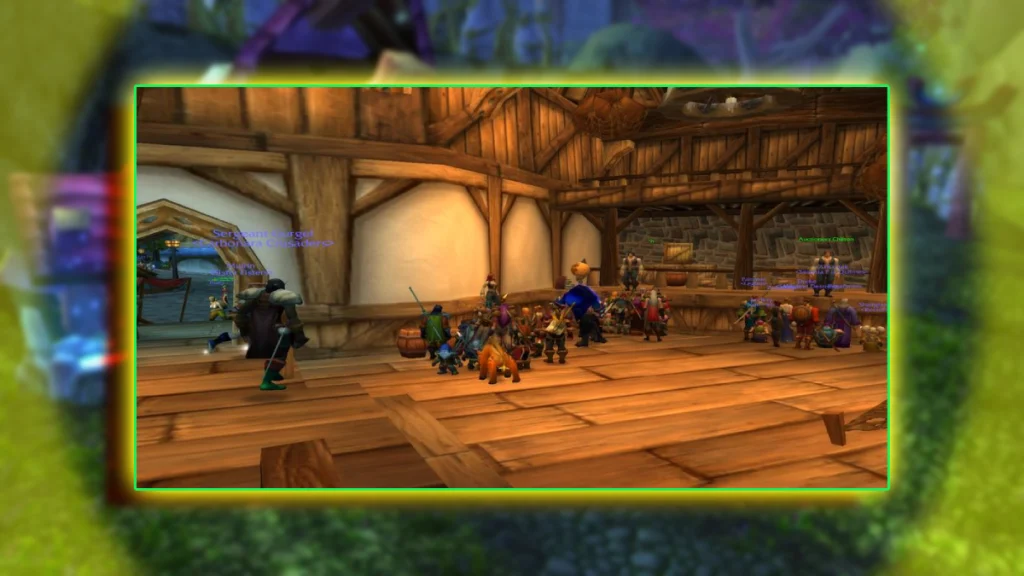
The Auction House (AH) in Season of Discovery is where fortunes are made and lost. It’s the bustling marketplace of Azeroth, and mastering it can multiply your gold without ever swinging a sword. Here are some expert tips and tricks to become an AH goblin (in a good way!), while keeping it engaging and profitable:
Study Supply & Demand Cycles
Just like real markets, WoW’s economy has trends. For example, on raid reset days, prices of consumables spike (because raiders are buying flasks, potions, buff food). At the end of a phase, certain items (like old raid materials) may drop in price while new phase items skyrocket. Buy low, sell high is the golden rule. Keep an eye on when big farmers dump materials (often weekends or after maintenance) – prices dip as supply is high. Then, when players are leveling professions or raiding (weekday evenings), supply dries up and prices rise. If you snagged goods cheaply, that’s your moment to relist for profit. For instance, you might notice a glut of Thorium Ore driving prices down on Sunday, so you buy it up; come Wednesday, a guild decides to power-level Blacksmithing and boom – your ore sells at a hefty markup. Learning these patterns takes a bit of observation, but it pays off massively.
Focus on High-Movers with Low Deposits
Not all items are equal on the AH. Some have high deposit fees (e.g. weapons/armor have a large deposit cost relative to price, which you lose if it doesn’t sell), and others have negligible deposits (most crafting materials). As a rule, materials and consumables are the safest to flip because you won’t be bleeding deposit costs if they don’t sell instantly. Enchanting materials are a prime example – things like Soul Dust, Greater Eternal Essence, Arcane Crystals, herbs, leather – these have low deposits and always steady demand. If you’re flipping, say, a stack of Dreamfoil, the deposit is tiny compared to potentially reselling it for 20g profit the next day. On the other hand, trying to flip an epic BOE item could cost you 1-2g deposit each time and might take weeks to sell – risky for a smaller bankroll. So especially if you’re starting out, stick to items that are in constant demand (potions, crafting mats, reagents) and where failed auctions won’t punish your wallet too hard.
Use Add-ons or Tools, But Don’t Blindly Trust Them
The community widely uses add-ons like Auctionator, TradeSkillMaster (TSM), or Auctioneer to scan prices and automate postings. These can greatly streamline your AH play. A tool like TSM can show you the average price and help you identify bargains (e.g., it highlights if someone posts items at 50% of their market value – a flip candidate). However, always sanity-check before buying out everything an add-on flags as cheap. Sometimes markets shift or an item that looks underpriced is actually in low demand (so you’d just be buying junk no one wants). Use add-ons to gather data and speed up posting (posting multiple stack sizes, undercut scanning, etc.), but combine that with your own knowledge from watching the market. The Lazy Goldmaker’s rule is to look for items below a certain percentage of their value and consider the volume available. If someone posted 200 Firebloom at half price, great – but if there’s another 200 at only slightly more, the market might be saturated. Make informed decisions.
Diversify Your Investments
In WoW, just like real investing, diversification helps mitigate risk. Don’t sink all your gold into one item or market. For example, if you spend 500g buying out all the Black Lotus hoping to corner the market, an unexpected change (Blizzard introduces an alternate way to get Lotus, like the dungeon crates in Phase 5) could crash the price and leave you broke. Instead, maybe invest some gold in herbs, some in ores, some in rare recipes. That way if one market dips, others might rise. Also, consider stockpiling certain items for future phases. Smart players made a killing by hoarding materials needed for Ahn’Qiraj war effort or Nature resist gear before AQ opened. If Phase 6 (AQ) or Phase 7 (Naxx) is coming, think: raiders will need Nature Prot potions (for AQ) or Frost Prot potions (for Naxx), maybe greater shadow resist potions, etc. In Phase 7 SoD, players faced a reworked Naxx – did they need extra Frozen Runes or special crafting mats? Those who guessed right and stocked up earlier were able to sell at peak price when the content hit. Playing the long game can be very profitable, as long as you’re sure the demand will be there.
Timing Your Auctions
Listing items at the right time is crucial. If you post a 48-hour auction on Monday morning, by Wednesday it might have been undercut by dozens of others. Often, it’s better to post in 12 or 24-hour increments to minimize deposit cost and adjust prices more frequently. For very hot items, 12 hours is usually sufficient (they’ll sell or you can repost at prime time). For slower items, 24 hours gives exposure throughout a day. Also, consider what time of day players are active on your server’s AH. Typically, peak activity is evenings and around raid times. Posting your flasks and potions at 6-7 pm when guilds are prepping to raid means likely immediate sales. Conversely, posting them at 3 am might mean they get buried by morning. There’s also the infamous Tuesday reset: many players log in then, economy can fluctuate (some buys mats to craft, some dump stuff from last week). Keep that in mind. If you find your auctions aren’t selling, try adjusting the timing – sometimes the difference between a sale and no sale is just when you listed it.
Becoming an Auction House “Goblin”
One advanced strategy is market control, but use it ethically (and within ToS). If you have a large capital, you can attempt to monopolize a certain item. For example, you notice there’s only 10 Greater Arcane Elixirs on the AH and they’re cheap – you buy them all and repost at a higher price. If done right, you set a new price point and profit when people have no choice but to buy from you. However, this is risky and can earn you a reputation; plus, if someone else had a stash, they might undercut you and crash the price. Some players find this “goblinsy” behavior thrilling – it’s PvP in the economic sense. Just remember, don’t overreach. It works best on consumables that people must have and can’t easily acquire quickly. A known forum tale describes a player spending 35k gold to manipulate various auctions and expecting 150k return, which drew some ire– so there’s a fine line between savvy trading and being seen as “disgusting” by the community. Generally, moderate flipping and small-scale monopolies on niche items (like a rare recipe or low-volume mat) are safer and draw less attention.
Use Trade Chat and Networking
Not all trades must happen on the AH. Especially for big-ticket sales (like an epic BoE weapon or a very expensive recipe), you might save money and get a better price by selling directly to a buyer via trade chat or community Discords. This way, you avoid the AH cut (5% cut can be substantial on a 1000g item, that’s 50g lost to the void). Advertise your item during peak times: “WTS [Nightfall Axe] – whisper offer”. You might get hagglers, but often a serious buyer will meet your price to avoid competition. Also, by engaging with people, you build a reputation as a trader. If you frequently deal in certain goods (say, you’re always selling flasks or always selling enchanting mats), people might start coming to you first (they see your name on auctions or remember you from trade chat). Being known as “that guy who always has Greater Shadow Pots” can net you loyal customers who PM you for bulk orders. These personal trades can be more profitable and quicker than waiting on the AH. Just be sure to stay safe – don’t trade with suspicious characters and always double-check the trade window.
Keep an Eye on Patch Notes & Community News
Blizzard can and will adjust things that affect the economy. For example, they removed rich Thorium chest spawns and arena chest in early SoD to curb easy gold farming. Changes like that can suddenly make some items rarer or more common. If you catch wind (through patch notes or forums) that something will be nerfed or buffed, act accordingly. If Black Lotus spawn rate is increased, maybe sell your stock now before price drops. If a new phase is announced with a new raid, start gathering what that raid might require (e.g., Scourge Invasion means people might need Arcane Crystal for Atiesh quest or want consumables for undead fights – speculation helps). Follow the WoW economy subreddit (r/woweconomy) and forums; often players discuss these things and you can get ahead by listening to the gossip and predictions. Being well-informed is perhaps the greatest tool in an Auction House guru’s toolkit.
Above all, patience and consistency are key. The AH game might seem slow at first – profits trickling in 5g here, 10g there. But those who stick with it and reinvest their earnings can snowball their wealth. There’s a certain joy in seeing your mailbox with dozens of sale notifications, or waking up to an inbox full of gold because items sold overnight. It’s like having a shop in Stormwind or Orgrimmar that works for you even while you’re offline. And when you play it right, the Auction House truly feels like another way to play WoW – one where your level doesn’t matter, only your savvy does.
Remember: Every piece of loot or material you farmed in the earlier section finds its true value at the Auction House. Combine your farming skills with these trading tricks, and you’ll be unstoppable in your gold-making journey.
Community Insights and Trends: Learn from Others
One of the best parts of gold making in 2025 is the vibrant community surrounding it. Gamers worldwide are sharing their discoveries, strategies, and even their treasure stories on Reddit, forums, and YouTube. Tapping into these community insights can give you an edge – and make the journey more fun knowing others are in it with you.
Reddit – The WoW Economy Hive Mind:
Subreddits like r/woweconomy and r/classicwow have been buzzing with SoD discussions. Players frequently post guides, tips, and even spreadsheets to help each other make gold. For example, one user compiled a “Beginners’ Guide to SoD Goldfarming” that gathered the best farms from YouTube and Reddit into one resource– a clear sign that the community loves to pool knowledge. Scrolling through, you’d find advice ranging from simple (do your quests at cap for easy gold) to advanced (farm specific items like Fish Oil or Dark Iron Residue for secret rune unlocks). The discussion threads often add even more value, with others chiming in their experiences (“I tried this spot, but watch out for Horde gankers around 7pm” or “if you have competition, hop layers or come early morning”). Engage with these posts – ask questions, share your wins. The WoW economy subreddit is very welcoming to new goblins and seasoned goblins alike. You might even find a niche farm nobody considered, just by brainstorming with others.
WoW Forums – Official Buzz:
Blizzard’s official forums for Season of Discovery are another goldmine (pun intended) of info. Early on, some players were tight-lipped about their secret farms (“not going to tell, or it’ll get saturated”), but by now most of the big secrets are out. Forum threads have revealed things like the Wetlands Dark Iron Dwarf farm where everyone can loot Dark Iron Ordinance in a raid group – yielding 20-40 items an hour that sold for ~0.7-1g each on the AH. That tidbit came from a generous player sharing exactly how many Ordinances you could get and the price they fetched – essentially handing out a 20-40g/hour method to anyone reading. Another forum gem was the creative strategy of level 25 alt farming: a player claimed they leveled a fresh character to 25, did all possible quests for gold (since at max level, quests reward gold instead of XP), made over 400g, then deleted the character and repeated the process with a new alt. That’s some hardcore dedication (and somewhat mind-numbing work), but it shows how inventive the community can be in squeezing out gold. Blizzard forums also house discussions on economy changes – if Blizzard tweaks spawn rates or introduces a new gold sink, you’ll see folks posting about the impact. Keep an eye out for blue posts too (official Blizzard comments), as they sometimes hint at upcoming adjustments (like “We’re aware of high prices of X and are considering solutions…”). Being forewarned is forearmed in the economy.
YouTube & Streamers – Visual Learning:
Sometimes seeing is believing. The WoW content creator community has embraced SoD and produced countless videos on gold farming. For instance, popular WoW YouTubers like NohitJerome and Boophie have videos titled “Insane Gold Farms for SoD Phase 7” and “Top 10 Gold Farms in Phase 3” etc., which garnered thousands of views. These videos often demonstrate the techniques in action – you can watch a rogue stealthily pickpocketing every pirate in Tanaris, or a mage kiting zombies in Zul’Farrak. A video by KaghoeGaming showcased “Best Ways to Make Gold in Phase 7,” highlighting new Phase 7 content like farming in Karazhan Crypts or leveraging the Scourge Invasion events. Trending strategies often quickly become common knowledge thanks to these videos – for example, once a video proved how lucrative pickpocketing in The Stockade could be for rogues (with someone showing say 50g/hour just from that), you saw a surge of rogues doing it. The same goes for group farms – a YouTuber might organize a 5-man BRD farm and show the loot results, inspiring viewers to replicate it. It’s exciting because these creators often add personal flair: some include challenge runs (“I tried farming 10 hours straight, here’s what I got”), others include emotion (“I was skeptical, but when that epic dropped my heart skipped a beat!”). This makes learning gold farms entertaining. So if you’re feeling unmotivated, fire up a WoW gold farming video – you might learn a new trick and get hyped to log in and try it yourself.
Community Discords and Forums:
Beyond Reddit and YouTube, there are economy-focused Discord servers and fan forums (like on Warcraft Tavern, MMO-Champion, etc.) discussing SoD. These are great for real-time tips – e.g., someone might post “Felwood farm feels nerfed after today’s mini-patch, anyone confirm?” and others will chime in. In Discord, you could even find farming partners (“LF3M ZG trash farm, have summons ready”). The camaraderie makes the grind less lonely and more goal-oriented.
Trends to Watch:
In 2025, a few community-driven trends have shaped the SoD economy. GDKP runs (Gold runs where raid loot is auctioned for gold and split among the raid) became a thing even in SoD – a practice borrowed from Classic Era. Hardcore players with a lot of gold bid crazy amounts for that perfect item, and even more casual raid members walk away with 200+ gold from the split. This in turn incentivizes people to farm more gold so they can participate and bid next time. While controversial to some, it’s a trend that cements gold as power – reading about a player dropping 5k gold on a raid weapon in a GDKP might light your fire to earn big. Another trend: roleplay and vanity items regained value. The community’s nostalgia in SoD meant things like pets, mounts, and fun trinkets are sought after. So, farmers started targeting things like the Sprite Darter Egg (pet) or Savory Deviate Delights more, after seeing forum posts of players proudly collecting all the quirky items. It’s not always about raid mats – sometimes the best market is selling joy (in the form of a Baby Blizzard Bear pet or a Papal Fez hat) to fellow players.
Perhaps the most heartwarming insight is seeing players share not just what to farm, but how to stay motivated. Gold farming can get tedious, and community members often encourage each other: start a thread about your progress, celebrate milestones (“I hit my first 1000g today!”), turn it into a fun challenge. One Redditor humorously bragged, “I’m up to 15k gold, all from open-world farms since P1 – lots of free time and coffee!”. Instead of envy, the responses were congratulatory and curious (“Grats! Which farms did you do mostly?”). It feels like a collective journey.
Takeaway: You’re not alone in wanting heaps of gold. Tap into the community – learn from their mistakes, copy their successes, and don’t be afraid to contribute your own findings. Even just lurking can give you ideas you never thought of. The WoW community in 2025 is an invaluable support network for gold-makers. When you bank in that big sale or discover a nifty farm, you’ll know you earned it – but also give a nod to all the fellow adventurers whose wisdom helped you along the way.
Leveling in WoW Classic Era can be a slow and tedious journey, requiring countless hours of grinding mobs and quests. Save time and get straight to the action with our WoW Classic Era Leveling Boost, so you can enjoy endgame content without the endless leveling grind!
Adapting to the Evolving WoW Economy
The WoW economy in Season of Discovery is constantly evolving, and the gold-making strategy that worked yesterday might not be as hot tomorrow. The true gold-making masters are those who adapt to changes swiftly. Let’s discuss how the economy has changed through SoD and how you can adapt in 2025 and beyond:
Phase Progression & Inflation
As SoD progressed from Phase 1 (level 25 cap) to Phase 7 (level 60 endgame), the total gold in circulation naturally ballooned. Early on, 100 gold felt like a fortune – mounts cost 10g, and many players were fresh on a new server with nothing. By Phase 7, players have had daily quests, raid boss drops, and thousands of mobs worth of coin injection. It’s not uncommon to see players with thousands of gold (or like that Redditor with 15k) now. This increase in wealth leads to inflation: prices of items tend to rise since buyers have more gold to spend. An item that sold for 5g in Phase 2 might sell for 15g in Phase 7 simply because more gold is available. To adapt, update your price expectations. Don’t undersell things based on outdated Phase 1 memory (“I remember when Large Brilliant Shard was 1g, I’ll list at 1g”) – check current prices, they might be 5g now! Conversely, some items might deflate if they were phase-specific (for example, Phase 3 BIS items may drop in value come Phase 4 when better gear is available). Always gauge the phase and gear/meta shifts when pricing your goods.
New Gold Sources (and Sinks)
Blizzard introduced new gold sources like daily quests and instance currencies in later phases. This put more predictable gold into players’ pockets, which is generally good – even casual players can earn a baseline amount every day. However, more gold sources can mean more competition in farming (since more people can afford consumables and thus farm them, etc.). At the same time, Blizzard also added gold sinks to pull money out of the economy: expensive mounts (if any special mounts introduced), costly respec fees (respec cost is 50g at max and many players respec often to try new rune builds – a deliberate sink), and currency vendors (Tarnished Undermine Real vendor sells gear that effectively “costs” you time instead of gold, but prevents you from selling that gear to others for profit). How to adapt: take advantage of gold sources (do your dailies! It’s basically free guaranteed gold) and be mindful of sinks. For example, if respeccing frequently is eating into your profits, consider planning your play more to minimize respecs or stockpile gold specifically for that purpose. Also, if a new patch introduces a cool expensive mount (say a 1000g price tag), anticipate players will be saving up – which means they might buy fewer luxuries in the interim. You might see a temporary dip in non-essential markets (like cosmetic items) as people hoard gold. Adjust by maybe lowering prices to sell volume or focusing on more essential items until the sink is absorbed.
Blizzard’s Tweaks and Nerfs
The devs actively watch SoD economy. We saw them remove lucrative chest farms early on to stop easy gold, and they might nerf drop rates or spawn rates if something becomes too farmable (to combat bots or imbalance). If your favorite farm gets nerfed (ouch!), don’t despair – have a backup. Always have 2-3 go-to farms or methods so one change doesn’t leave you high and dry. Also, keep an eye on official patch notes for phrases like “Increased drop rate of X” or “Decreased gold reward from Y”. For instance, if tomorrow’s patch doubles the drop rate of Black Lotus, you should know lotus prices will plummet – sell yours now or be prepared to make more flasks instead of raw selling. Being proactive rather than reactive can save or make you thousands of gold.
Shifting Demand (Meta Changes)
As new raids release, the meta changes – and so does what’s valuable. A clear example: when Naxxramas (Phase 7) hit, suddenly Frost Resistance gear and Greater Frost Protection Potions became highly sought for Sapphiron (a frost dragon boss). Smart players who anticipated this farmed Elemental Water and Globe of Water (materials for those potions) and either crafted tons of potions ahead or sold the mats at inflated prices when everyone realized they needed them. Adapt by thinking ahead of the curve: ask “What will players need in the next phase that they didn’t need before?” It could be resist gear, new enchants (Naxx brought powerful shoulder enchants via Scourge Invasion rep – those required Bone Fragments, Core of Elements and other items from the invasion, which had value), or even leveling gear for new alts (some phases encourage alt-making, e.g., a new PvP season or something could prompt people to roll new classes). On the flip side, recognize when something’s time has passed. For instance, those “Secret Rune” quest items (Fish Oil, Dark Iron Ordinance, etc.) were super hot in Phase 1 because everyone was unlocking runes. By Phase 7, most players have done that long ago, so those items might not sell as well (unless new players or fresh servers start). If you’re sitting on a stack of Shredder Turbochargers from engineering, evaluate if demand is still there or if that ship sailed after Phase 2 when most got their runes. Adapt your inventory – dump things that are likely to drop in value and convert them into something that will be in demand.
The WoW Token? Not Here
One huge difference from Retail economy is the lack of WoW Token in SoD. This means no official real-money-to-gold conversion, so the economy is more “pure”. Gold has to be earned in-game (or traded player-to-player). This typically keeps overall gold values lower than Retail, but because everyone is on the same playing field, time and knowledge = gold. There is a bit of old-school charm in this. It also means if someone is throwing gold around, you know they earned it (or at least someone did and traded it to them). Adaptation here is more about mindset: your time is literally money in SoD. If you normally might consider swiping a credit card for quick gold in Retail (which the Token allows), here you’ll instead plan a farming session. The absence of tokens might also reduce inflation somewhat (no sudden injections of millions of gold), although by Phase 7, inflation did happen via natural means. So keep hustling – there’s no bailout except your own effort. (And as always, beware of RMT or gold-selling sites – they’re against ToS and can get you banned. It’s not worth it, especially when this guide shows you that you can make all the gold you need yourself!)
Community and Cooperative Adaptation
Remember, you’re part of the economy too. If you find a method isn’t working solo, maybe turning it into a group activity can revitalize it. For instance, elite farming got tough when competition increased. Solution some found: team up and share spawns, even rotate layers if your server has them, or take turns camping rare spawns. If you adapt by cooperation instead of competition, you might find new enjoyment and equal profit. The economy isn’t a zero-sum game – a good guild or friends network can help everyone get richer. Share farms with guildies; in turn, they might share a good tip with you next phase.
Embrace New Content
Season of Discovery might bring further phases or entirely new seasonal content beyond Phase 7. Each new content drop is an opportunity. Treat it like a fresh start to make profit. When Karazhan Crypts was added, those who rushed in found new BOEs and crafting mats to sell. When the Scourge Invasion began, farming the event-specific mobs yielded Necrotic Runes and other items – maybe not all sellable, but indirectly profitable (you could get gear to sell or use gold you saved by obtaining something yourself). Always ask with any new patch: “What’s the new thing and how can I capitalize on it?” It could be as simple as selling enchants to all the people who got new gear from that patch’s raid, or farming the new dungeon for rare drops while it’s freshly popular. Early bird gets the worm – or in this case, the gold.
In summary, stay flexible and informed. The Azeroth economy is a living beast. If you try to fight change, you might find your gold-making stagnates. But if you ride the waves of change – adjusting your strategies as needed – you’ll not only preserve your income, you’ll find new ways to grow it. Keep learning, keep observing, and don’t be afraid to pivot to a new farm or market when the winds shift. As the saying goes, “The only constant is change” – true in life, true in WoW. Embrace it, and you’ll always stay one step ahead, wallet full and ready for whatever the next Season of Discovery brings.

Conclusion
Gold farming in WoW Season of Discovery in 2025 is as much an adventure as slaying dragons or conquering raids. It’s a game of strategy, patience, and creativity. From the bustling Auction Houses of Ironforge and Orgrimmar, to the quiet fields of Westfall under the setting sun where you might be skinning yet another boar, every player has the potential to carve out their fortune. We’ve covered the top spots, class tricks, market tips, and community knowledge – now it’s your turn to put it into practice. Remember, every gold coin earned is a step toward your next epic mount, your next big purchase, or simply the freedom to play the game your way.
So whether you’re a casual who only has an hour after work or a hardcore grinder who sees Azeroth as your second home, take these insights and make them yours. Feel the excitement when you see that big ticket item sell, enjoy the simpler pleasure when a plan comes together (like finding zero competition at your favorite farm at 5am and having it all to yourself!), and don’t get discouraged by setbacks (markets may crash, thieves may gank, but you’ll bounce back smarter). The world of WoW SoD is rich and waiting – go forth and turn Azeroth’s opportunities into your personal gold mine. Happy farming, and may your bags be ever overflowing!