

Season 1 of World of Warcraft: The War Within (TWW) has unleashed a fresh and chaotic PvP meta. New talent systems and balance changes mean that choosing the right class and spec is more important than ever. The competition is fierce – one moment you’re dominating the Arena, the next you’re staring at a Defeat screen wondering what went wrong. In this volatile environment, picking a powerful PvP class can be the difference between climbing the ladder or getting stuck in mediocrity. This article breaks down the best PvP classes and specs in TWW Season 1 in a handy tier list by roles (Melee, Ranged, Healer). Our goal is to help you find a spec that feels great to play and gives you an edge against the competition. Strap in – it’s time to see who’s ruling the battlefield and who might need a miracle comeback!

Tier List Overview

How We Ranked the Specs: The tier lists below are based on a mix of data and community input, following principles of experience and expertise. We analyzed actual PvP performance (arena leaderboards, win rates, representation) and factored in recent balance changes and player feedback from forums and Reddit. This data-driven approach ensures our rankings reflect the current meta and not just personal bias.
- S Tier: The dominators – specs that are outrageously strong in the current meta, often seen at the top of the PvP ladder. If you play one of these, you’re in a great spot to push rating.
- A Tier: Powerful and reliable choices. These specs can go toe-to-toe with S-tier (in the right hands) and are frequent picks in high-rated Arena comps.
- B Tier: Solid picks with some flaws. They can absolutely win, especially if it’s your comfort pick, but they aren’t as universally advantageous as A or S tiers.
- C Tier: Underperforming or niche picks. These specs have noticeable weaknesses holding them back in Season 1’s meta. They can work, but you’ll have to work harder to win.
- D Tier: Strugglers of the season. Either due to tuning or meta shifts, these specs feel weak right now and are rarely seen in competitive play. Expect an uphill battle if you stick with these.
It’s important to remember every spec can find success in the right scenario – player skill and team coordination matter a ton. But when everyone is equally skilled, the higher-tier classes just have an easier time. With that in mind, let’s dive into the rankings for Melee DPS, Ranged DPS, and Healers in Season 1.
(Note: Tanks aren’t a primary focus in PvP tier lists, since Melee, Ranged, and Healer roles define the meta. The few tank specs used in Rated Battlegrounds are not covered here.)
Climbing the ranks in 3v3 Arena can be a real struggle, thanks to the precise teamwork and split-second decisions needed to come out on top. That’s why our 3v3 Arena Boost in WoW TWW helps you overcome these hurdles, letting you earn coveted rewards and enjoy the heart-pounding thrill of competitive PvP without the usual stress.
Melee DPS Rankings (Season 1)
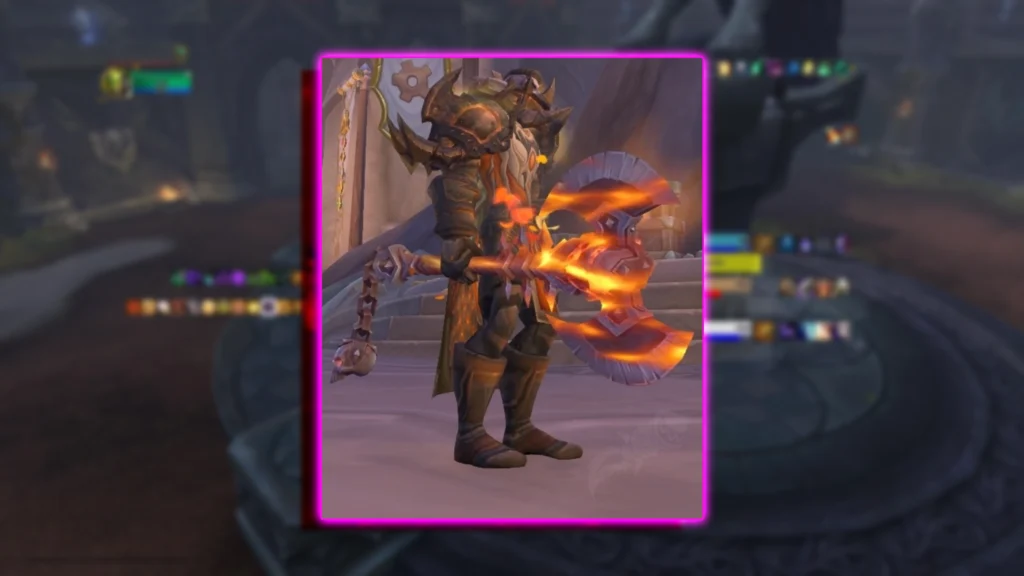
Melee classes are front-and-center in TWW Season 1 – literally in your face! The meta has been favorable to melee, with several specs tearing up the arena with relentless pressure and burst. Below is the tier list for all melee DPS specs, from the god-tier duelists to the struggling stragglers:
| Tier | Melee DPS Specs (Class) |
|---|---|
| S Tier | Outlaw Rogue |
| A Tier | Subtlety Rogue, Assassination Rogue, Feral Druid, Fury Warrior, Windwalker Monk |
| B Tier | Havoc Demon Hunter |
| C Tier | Unholy Death Knight, Retribution Paladin, Arms Warrior |
| D Tier | Frost Death Knight, Enhancement Shaman, Survival Hunter |
S Tier (Melee): Outlaw Rogue claims the sole S-tier spot for melee, much to everyone’s surprise. Rogues are always a safe PvP pick, but most expected Subtlety or Assassin to top the charts – instead, Outlaw’s sustained damage and lockdown have made it a sleeper OP spec. Skilled Outlaw Rogues are dominating scoreboards, combining brutal Kidney Shot chains with high uptime to overwhelm opponents. Data from the Season 1 leaderboards shows Outlaw ahead of the pack, and players who underestimate it are in for a rude awakening. If you’ve been on the wrong end of an Outlaw Rogue’s pistol combo, you know how deadly they can be this season.
A Tier (Melee): The A-tier melee specs are all excellent choices – each brings something strong to the table. Subtlety Rogue and Assassination Rogue remain very competitive (no shocker, Rogue is Rogue). Subtlety’s unmatched control and setup burst and Assa’s lethal damage-over-time “bleeds and poisons” playstyle are both tearing it up. They’re just a notch below Outlaw in raw results, but still consistent Arena favorites. Feral Druid is another A-tier predator – after some mid-season buffs to bleed damage, Ferals have surged up. They offer a mix of stealth, ferocious bleeds, and off-heals that can swing fights in their favor. Many Ferals are running bleed-heavy builds that melt targets over time, and it’s paying off. Fury Warrior, with its furious dual-wield rampage, is also sitting pretty in A-tier. Fury is straightforward and smashes face with high sustained damage and self-heals; it’s performing better than its Arms counterpart this season. Community feedback often highlights Warrior as a “can’t go wrong” pick – they’re consistently A/S tier in PvP metas, and Season 1 is no exception with Fury. Rounding out A-tier, Windwalker Monk brings zippy mobility and burst. WW Monks have a high skill cap but can absolutely demolish someone in a stun with their combos. They also provide clutch team utility (off-heals, Ring of Peace). All these A-tier specs are highly viable – if you love any of them, rest assured they can carry you far.
B Tier (Melee): Havoc Demon Hunter lands in B-tier. Surprised? Demon Hunters were terrorizing battlefields in past expansions (remember the Shadowlands and Dragonflight days when DHs seemed to be everywhere?), but in The War Within they’re a bit more tame. Havoc still has great mobility and decent damage, but it’s not as overtuned as some other specs right now. Some players on Reddit have even wondered, “Will DHs ever not be the meta?” – well, Season 1 shows Havoc as good but not the absolute top. You can still climb as a DH, you just might have to work a bit harder against the A/S tier melee who can match your pace.
C Tier (Melee): Our C-tier melee are seeing rough times in Season 1. Unholy Death Knight, a spec many expected to dominate with its endless pets and rot damage, is currently underperforming. Unholy has heavy pressure potential, but it struggles with the high mobility and burst of this meta – and recent PvP tweaks didn’t favor DKs. Retribution Paladin is also here in C. Ret can still burst really hard (if you let them free-cast a Judgment into Final Verdict, it hurts), but Ret’s lack of mobility and susceptibility to kiting keep it from shining. They feel a bit left behind compared to faster melee classes. Arms Warrior, traditionally a powerhouse spec with big mortal strikes, is oddly behind its Fury sibling now. Arms has strong burst and offensive pressure, but it’s squishier and its playstyle is more about setup. In the fast-paced Season 1, Arms often gets eclipsed by Fury’s constant brawling. These C-tier specs can win in skilled hands, but they have clear weaknesses in the current meta that make them less popular choices.
D Tier (Melee): The bottom of the barrel for melee includes a few shockers. Frost Death Knight unfortunately joins its Unholy brother in struggle-town – Frost’s burst windows are explosive, but outside of those windows it feels lackluster, and kiting destroys a Frost DK’s day. Enhancement Shaman also falls to D-tier. Despite a versatile toolkit and hybrid healing, Enhancement simply isn’t packing enough punch right now compared to other melee; they received some damage nerfs early on and never quite recovered. Lastly, Survival Hunter sits in D-tier for PvP. Yes, the melee Hunter exists, and if you didn’t know that, it’s probably because Survival is barely seen in arenas at the moment. It has some niche uses (high CC and surprise burst with bombs), but it’s largely overshadowed by other specs. One Rank 1 Survival expert can still make crazy plays, but for most people Survival feels under-tuned (a data-driven list even placed Survival at the very bottom of melee rankings). If you love being a special snowflake, you can try these D-tier melees… just know you’re signing up for a challenge. 😉
Melee TL;DR: Rogues and feral melee fighters rule Season 1. Outlaw Rogue is king of the hill, with Subtlety/Assassin Rogue, Feral Druid, Fury Warrior, and Windwalker Monk close behind. These agile, high-damage specs define the meta’s pace. Slower or less bursty melee (DKs, Ret, Enh, etc.) are lagging and might need buffs to compete. If you want to charge headfirst into PvP, pick an A or S tier melee and go wild.
Farming Conquest Points in WoW TWW can turn into a draining chore, especially when you’re short on playtime. Our WoW Conquest Points Farm service handles the grind for you, letting you secure top-tier gear and focus on the competitive thrill without the hassle.
Ranged DPS Rankings (Season 1)

Ranged DPS have had a bit of a tougher time in The War Within Season 1. With melee marauders running rampant, only a few caster specs manage to stand out. That said, the best ranged can still blow up targets or control the fight from afar – it just takes smart positioning and timing. Here’s the tier list for all ranged DPS specs in Season 1:
| Tier | Ranged DPS Specs (Class) |
|---|---|
| S Tier | (None quite at S-tier this season) |
| A Tier | Demonology Warlock, Affliction Warlock, Beast Mastery Hunter |
| B Tier | Marksmanship Hunter, Frost Mage, Shadow Priest, Elemental Shaman |
| C Tier | Devastation Evoker |
| D Tier | Arcane Mage, Fire Mage, Destruction Warlock, Balance Druid, Augmentation Evoker |
No S-Tier Casters? That’s right – unlike melee, no ranged spec is head-and-shoulders above the rest to earn an S-tier label at the moment. The top-performing casters land in A-tier. This doesn’t mean casters are weak (some are very strong); it means there’s a bit more parity and no single god-mode spec among ranged. It often comes down to player skill and comp synergy for the casters to shine.
A Tier (Ranged): Leading the ranged are two flavors of Warlock and one Hunter. Demonology Warlock and Affliction Warlock are both A-tier monsters in Season 1. Warlocks in general have benefited from the meta – their tankiness and control allow them to survive the melee onslaught and turn the tables. Demonology brings out an army of fel minions to do its bidding, overwhelming opponents with sheer pressure (and that tyrant demon hit slaps). Affliction, on the other hand, rots entire teams down with powerful Damage-over-Time spells and can be a nightmare in dampening. Both specs are posting strong results on the PvP ladder, proving that “fear -> dot -> profit” is still a viable strategy. Tying them in A-tier is Beast Mastery Hunter. BM Hunters are a favorite for many because of their straightforward playstyle – your pets do the work while you shoot on the move. In Season 1, BM’s consistent damage and the ability to pressure while constantly kiting make it very effective. It also has perhaps the simplest rotation of any ranged spec, which some new PvPers find attractive (“Easy to play, high single-target burst” as one community member noted about Marksman, and BM plays similarly in ease). BM’s results on the ladder have been impressive, matching the Warlock boys at the top of the ranged food chain. If you prefer ranged combat, Demonology, Affliction, or BM Hunter will give you the most bang for your buck right now.
B Tier (Ranged): Several ranged specs sit in B-tier, meaning they’re competitive but with noticeable limitations. Marksmanship Hunter is one – Marksman can deliver terrifying burst damage (sniping someone from 100% to 0% with a well-timed Double Tap Aimed Shot in past expansions is legendary, though Double Tap is gone now). In Season 1, MM is strong but a bit more situational; it lacks a pet’s utility and can struggle if pressured by gap-closing melee. Still, players praise MM for its simplicity and insane burst, calling it “great for PvP” if you can handle being a glass cannon. Frost Mage also lands in B-tier. Frost has fantastic crowd control (Polymorph, roots, etc.) and good damage, but Blizzard toned down its Ice Lance spam this season, reducing some of its easy-win pressure. A clever Frost Mage who sets up crowd control chains can still control a match, but it’s a bit harder to finish kills compared to the top specs. Shadow Priest is another B-tier. Shadow has a mix of DoT damage, bursts (hello, Devouring Plague), and utility like Mass Dispel. However, Shadow Priests lack a school lockout (no kick) and are relatively immobile, making them vulnerable if focused. One Blizz forum post summed it up: Shadow is “certainly viable, but that is about as far as I’d go with it” compared to other classes. In other words, you can succeed as Shadow, but you have to play nearly perfectly when enemy melee are charging you. Finally, Elemental Shaman rounds out the B-tier ranged. Ele Shamans hit hard – few things are as satisfying as lava bursting someone into the ground – and they bring utility (knockbacks, totems). But Elemental can be trainable (they wear mail armor and can flop if tunneled), and they must cast spells which is tough with several melee kicking and pummeling. Their performance is decent, not dominant. B-tier ranged are fine choices especially in capable hands, but they don’t dictate the meta in Season 1.
C Tier (Ranged): In C-tier we have Devastation Evoker. Devastation is the DPS spec of the new Evoker class (introduced in Dragonflight), and it’s a bit of a wildcard. It has incredible burst damage potential with its empowered dragon breath spells and fire breaths, and it’s very flashy – you literally blast enemies with dragon power. However, Devastation Evoker is held back by a shorter range (25 yards vs. the usual 40) and being fairly squishy if caught. In the current meta, that’s a dangerous combo. It’s struggling to find a consistent spot, placing around the middle-to-lower end of ranged specs in the rankings. You can make a Devastation Evoker work (especially in comps that protect it or in Battlegrounds where you can hover around picking people off), but it’s not a top-tier choice for serious push. Think of Devastation as a glass cannon – hit hard, but if the enemy looks at you funny, you might go down.
D Tier (Ranged): Unfortunately, a good number of caster specs are wallowing in D-tier in Season 1. Arcane Mage and Fire Mage are two big losers of the current meta. Mages usually have at least one spec in vogue (often Frost), but Arcane and Fire are in a rough spot. Fire Mages, known for their Combustion burst and high mobility, were hit by changes and now find it hard to secure kills – their sustained damage is mediocre and Combustion isn’t as deadly as before. Arcane has insane burst potential (Arcane Surge into Arcane Blast can delete people on paper), but it’s very hard to pull off in practice, and Arcane’s playstyle is gimmicky and mana-intensive. The result: few people play Arcane or Fire seriously right now, and those that do struggle to climb (the average rating of Fire Mage players on the leaderboard is extremely low). Destruction Warlock is another spec that’s surprisingly down in D-tier. Destro has huge chaos bolt burst, but it appears to be less effective than its Demo/Afflic counterparts this season. Perhaps the meta’s fast pace and interrupts make it hard for Destro to free-cast those big bolts consistently, dropping its effectiveness. Balance Druid (Boomkin) also finds itself in D. Boomkins usually oscillate in PvP metas – in some seasons they’re devastating (Starfall memes and one-shot convokes), in others they flop. In TWW Season 1, Balance hasn’t been able to shine; despite some utility, they seem to get trained easily by melee and haven’t found their niche. They even got some PvP-specific nerfs to their damage output early on, which certainly didn’t help. Lastly, Augmentation Evoker lands in D-tier. Augmentation is the new support-oriented DPS spec (a twist, as it buffs allies as part of its rotation). While Aug is great in PvE, in PvP it’s tricky – you’re sacrificing personal damage to make your partner stronger. That can work in coordinated 3v3 (and some Aug Evokers did climb by empowering teammates), but in most scenarios (especially Solo Shuffle or random arenas) it’s hard to justify. Augmentation’s performance on the ladder has been very low, and many players feel it doesn’t pull its weight unless you have perfect teamwork.
Ranged TL;DR: Warlocks and Hunters stand atop the ranged meta. Demonology and Affliction Warlocks, along with Beast Mastery Hunters, are the best bets for casters, offering toughness and high pressure. Other ranged like Marksman, Frost Mage, Shadow Priest, and Elemental Shaman are decent but clearly a step below, requiring more effort to succeed. Devastation Evoker sits in the middle with boom-or-bust potential. Meanwhile, several once-feared casters – Fire/Arcane Mage, Balance Druid, Destro Lock – are really struggling in Season 1’s melee-heavy, bursty environment. If you love playing a wizard or sniper, pick your spec carefully and be ready to play your heart out to overcome the meta’s challenges.
Securing top-tier PvP Elite sets in WoW TWW is tough, especially with fierce opponents and limited game time. Our WoW PvP Elite Transmog service takes care of the challenging battles for you, so you can showcase a standout look without the usual grind.
Healer Rankings (Season 1)

Healing in PvP is not for the faint of heart, and that’s truer than ever in The War Within Season 1. Burst damage is high and crowd control is plentiful, so healers have to sweat to keep their team alive. Some healing specs, however, handle the pressure much better than others. A clear hierarchy has emerged, from one healer that feels almost unkillable, to a couple that are struggling to heal through a stiff breeze. Let’s break down the healer tier list for Season 1:
| Tier | Healer Specs (Class) |
|---|---|
| S Tier | Restoration Druid |
| A Tier | Mistweaver Monk |
| B Tier | Holy Paladin |
| C Tier | Discipline Priest, Preservation Evoker |
| D Tier | Holy Priest, Restoration Shaman |
S Tier (Healer): Restoration Druid claims the throne as the premier healer of Season 1. If you enjoy playing healer and haven’t tried a Resto Druid yet, you might want to. Resto Druids excel in the current meta because of their heal-over-time (HoT) based healing and incredible mobility. They can pre-HoT allies before big damage comes in, and those HoTs keep ticking even while the Druid is stunned or crowd-controlled – which is huge in PvP. They also have many escape tools (Shape-shifting, Dash, etc.), making them hard to pin down. The result is a healer that can outlast enemy cooldowns and stay alive when others would fall. Statistically, Resto Druids are outperforming every other healer on the ladder. Community discussions often point out that Resto Druid feels “unkillable” if played right, and indeed, watching a skilled tree druid dancing around pillars while your DPS slowly wither under thorns and Moonfire is both impressive and infuriating. In short, Resto Druid’s mix of throughput, longevity, and utility (Cyclone says hello) makes it the undisputed S-tier healer of Season 1.
A Tier (Healer): Mistweaver Monk comes in at A-tier, marking a big comeback for the Crane. Mistweavers have historically been up and down in PvP, but right now they’re in a good spot. Blizzard gave Mistweavers some love in the tuning passes – for example, they buffed certain healing outputs and even made Life Cocoon (their big shield) stronger in PvP. Those changes paid off, and now Mistweaver can keep up with most of the burst damage flying around. Mistweavers provide strong raw healing and can use talents like Peaceweaver (short immunity window) to counter major enemy plays. They also have decent mobility (Roll, Teleport) to avoid getting trained. According to leaderboard data, Mistweavers are the second-best represented healers after Resto Druids, and players report that MW feels rewarding to play again – a welcomed change from feeling like a free kill in earlier expansions. If you want a healer that outputs huge heals and has a unique martial-arts flair, Mistweaver is a solid pick that will serve you well in Season 1.
B Tier (Healer): Holy Paladin sits in B-tier, which might surprise some because Paladins have a strong track record in PvP. Don’t get it wrong – Holy Paladins are still very viable (plenty of players climb to high ratings with HPal), but they’re just not as overtuned as the top two. Holy Paladins excel at single-target healing and have powerful defensive cooldowns (Bubble, Sacrifice, etc.) that can save allies or themselves. They also bring offensive utility with Hammer of Justice stuns and Blessing of Freedom to help teammates. In Season 1, HPal is described as “reliable but less versatile than top-tier options”. They can struggle when mana becomes an issue and when facing teams that drag them into dampening (where heal-over-time based healers like Resto Druid start to shine more). The data puts Holy Paladins squarely middle-of-the-pack – not dominating, but definitely not weak either. If you enjoy being that plate-armored guardian angel who runs into the fray and stabilizes your team with big crit heals, Holy Paladin will do the job. Just be aware you might feel a bit more stress versus something like a Resto Druid in the long run.
C Tier (Healer): Here we have Discipline Priest and Preservation Evoker. These two specs are still seen in PvP but have some drawbacks this season. Disc Priest is an interesting case – at the very start of Season 1, many thought Disc was going to be the best healer (some even called it “the strongest spec in PvP right now” early on). Disc Priests deal damage while healing (through Atonement), and they have huge burst healing potential with abilities like Radiance and Penance. They were indeed strong, but as gear progressed and other healers got buffs, Disc has settled into a more modest position. They’re currently performing average by numbers (a data-driven ranking puts Disc in the middle tier). What’s holding Disc back? Possibly their durability – Disc is a healer that has to get in the fray to some extent (to do damage and heal), which can be risky. A Disc Priest under focused fire can flop if they don’t play nearly perfectly with cooldowns. Also, other healers’ sustained healing outpaces Disc in long fights (once their burst is over). That said, Disc still packs a punch – they can turn the tide of battle with a well-timed offensive Penance or clutch Pain Suppression on a teammate. Some players even complain Disc does too much damage (“Disc priests doing more damage than DPS is not ok,” one frustrated forum-goer ranted). So Disc is far from bad – it’s just not as foolproof as the top dogs. Preservation Evoker, the healing spec of the Evoker class, is also C-tier. Pres Evokers have a lot of unique tools: dream breath cones, rewind to undo damage, even the ability to rescue allies by swooping them out of danger. They started strong at the expansion’s launch, but as Season 1 went on, they became less common. One reason is their range limitation (like Devastation, they heal at 30 yards), which means they have to position closer to the fight and risk getting crowd controlled more. Preservation’s output is decent, and in the right hands they can be very impactful, but many healers feel other classes simply do the job more easily. By representation, Evokers are a notch below the traditional healers on the ladder. Still, if you want a fun, proactive healer and love the fantasy of a healing dragon, Pres is viable – you just might be working harder than a Druid or Monk would for the same result.
D Tier (Healer): And now we come to the healers having the hardest time in Season 1: Holy Priest and Restoration Shaman. Starting with Holy Priest – poor Holy has long lived in the shadow of Disc in PvP. In this meta, that trend continues. Holy Priest brings strong healing throughput and the ever-annoying Greater Fade and Ray of Hope tricks, but it lacks the damage reduction and offensive presence that Disc has. A Holy Priest that’s left alone can pump huge heals, but PvP is rarely that kind. More often, Holy gets trained and has fewer answers than other healers once caught (Guardian Spirit can save you once, but then what?). The community generally views Holy Priest as “awful” for PvP right now – a spec that just doesn’t justify choosing over Disc. This is reflected in our tier list, with Holy sitting at the bottom. Now, the case of Restoration Shaman is a bit more heartbreaking. Resto Shaman has historically been a pillar of Arena healing metas (especially in 3v3, with comps built around their utility). But Season 1 has been rough for them. Why is Resto Shaman struggling? The meta’s fast, and Resto Shaman’s healing style involves casting many spells (Healing Wave, Healing Surge) which can be kicked, or setting up healing totems that can be killed or outranged. When every DPS is zooming around pillars and stunning, Shamans often can’t get a cast off. They do have powerful cooldowns (Ascendance, Spirit Link Totem), but those are periodic. In between, their healing can feel insufficient – as one Shaman player lamented, “its healing feels like piss water” when trying to top someone under pressure. Ouch. They also contribute less damage compared to a Disc Priest, which matters in PvP. Many Resto Shamans have voiced frustration this season, noting that even after minor buffs (Blizzard buffed Riptide and Healing Surge a bit), Shaman still feels weak. In the mid-tier PvP brackets, players reported seeing almost no Resto Shamans or Holy Priests, with most teams running Disc Priest or Holy Paladin instead. That says a lot. The silver lining: if you master a Resto Shaman, you can still make amazing plays (grounding key spells, perfectly timing Windshear interrupts, etc.), and you’ll be one of the few – which might catch opponents off-guard. But realistically, both Resto Sham and Holy Priest could use some love from Blizzard in future patches to climb out of D-tier.
Healer TL;DR: Restoration Druids are ruling the healing roost with their unmatched mix of HoT healing and mobility. Mistweaver Monks have powered up to A-tier, bringing huge heals to the party. Holy Paladins remain a trusty pick in the middle. Discipline Priests and Preservation Evokers are decent but clearly behind the top healers – they require more finesse to excel. Meanwhile, Holy Priests and Resto Shamans are unfortunately suffering in Season 1’s meta, struggling to keep up with the intense damage output (and other healers’ toolkit advantages). If you’re queuing up as a healer, prepare for a workout! The job is stressful this season, but the strong will thrive.
Ranked Battlegrounds in WoW TWW can feel like an uphill battle, especially if you’re juggling limited playtime or searching for a solid team. That’s why our WoW RBG Boost service jumps in to handle the hard work, letting you enjoy higher rankings, better rewards, and a smoother PvP climb.
Meta Trends and Insights
Season 1 of The War Within has been a rollercoaster for PvP, with constant meta shifts as players adapt and Blizzard rolls out tuning updates. Here are some key trends and insights shaping the PvP scene:
Melee-Dominant Meta: As our tier list reflects, Season 1 has been somewhat melee-dominated. With Outlaw Rogues, Ferals, Warriors, and others in such strong form, many teams favor at least one (if not two) melee DPS to leverage that upfront pressure. Ranged classes have felt the heat – it’s a common sight to see double melee squads training a caster into the ground before they can set up any big plays. This doesn’t mean casters are nonexistent (Warlocks prove casters can hang in there), but overall the fast-paced meta has given an edge to those in plate, leather, or mail charging into battle. Community sentiment often mentions this as well: “Every class is good at some point… but will DHs (melee) ever NOT be the meta?” one player mused, observing how melee specs have traded off domination throughout the season. If you’re a ranged player, you’ve likely had to kite for your life more than ever.
High Burst, Fast Matches: The pace of PvP in Season 1 is blistering. With gear levels rising and new talent trees (including the Hero talents) introduced, many classes gained massive burst combos. We’ve seen arenas decided in the first 30 seconds from an overwhelming burst: e.g., a Marksmanship Hunter popping all cooldowns to delete someone in a few globals, or a Rogue/Mage tandem chaining crowd control perfectly to score an early kill. The upside is that games are exciting and action-packed; the downside is it can feel unforgiving. If you make one mistake or fail to use a defensive cooldown in time, you might be staring at the respawn timer. Reddit threads are full of clips of insane one-shots and complaints about “zero to dead in a stun.” This burst meta has contributed to the success of specs with strong immediate output (like Fury Warrior’s constant damage, or Sub Rogue’s Shadow Dance burst) and made sustained pressure specs (like Enhancement Shaman or Balance Druid) less prevalent. Blizzard has been watching this and did implement some mid-season nerfs to outlier bursts – for example, they toned down Frost Mage’s Ice Lance in PvP (reducing its bonus from 75% to 45%) to curb easy kill setups. Still, if you queue up now, be mentally prepared for some wild, fast fights.
Healing Feels Hard (Healer Drought): As mentioned in the healer section, healing in Season 1 is a challenging endeavor. The community noticed a healer shortage in Solo Shuffle and even 3v3, with longer queues for DPS. Part of this is due to how stressful healing is when burst is so high and dampening (a mechanic that reduces healing over time in arena) kicks in quickly for Solo Shuffle. New healers can get turned off when they get yelled at or when every match feels like an uphill battle to keep teammates alive. Even popular streamers and Gladiator-tier players have acknowledged this: one discussion referenced how new healers are “immediately turned off the game mode” due to being blamed and focused. This has larger implications on the meta – with fewer healers, more players have been gravitating to hybrid DPS that can off-heal or self-sustain (Fury Warriors with bloodthirst heals, Ret Paladins with Word of Glory, Shadow Priests with Vampiric Embrace, etc.). It also means comps that can end fights quickly are favored (since if you drag into deep dampening, healing becomes nearly impossible). Blizzard has started addressing healer balance (for instance, buffing underperformers like Resto Shaman a bit, and adjusting dampening values in Solo Shuffle), but the consensus is that healers who thrive now truly earn their glory. When you see a Resto Druid or Mistweaver carrying a team, you’re watching peak skill at work – and perhaps a touch of an overpowered toolkit.
Notable Balance Changes: Blizzard didn’t sit idle after launch; we’ve had several tuning patches (11.0.2, 11.0.5, 11.0.7) during Season 1. These tweaks caused mini-shifts in the meta. For example:
- Discipline Priest & Holy Paladin Buffs: Early on, Blizzard buffed Disc Priests (e.g. stronger Radiance, etc.) and Holy Paladins, which helped cement Disc/HPal as very popular healers. Some argue Disc was already good and didn’t need those buffs – especially when Resto Shaman got so little. This led to a period where lobbies were filled with Disc Priests, making life miserable for Shamans and Holy Priests who felt left out. One PvP forum poster vented that “Disc is already strong… it’s obvious they’re playing disc priest and hpal at Blizz, so they’re juicing them” – highlighting the feeling that devs favored those classes. Feral Druid Love: Feral Druids got direct PvP buffs to their bleed damage (+15% to Rip and Rake) partway through the season. This was a game-changer for many Ferals. Suddenly their sustained damage became terrifying, and we saw more Ferals climbing the ranks (as reflected in our tier list where Feral sits A-tier). However, Blizzard also slightly nerfed a couple of Feral talents (Taste for Blood, etc.) at the same time to keep their burst in check. The net effect was positive for Ferals overall – they shifted from a fringe pick to a strong contender, especially in 2v2 brackets where sustained damage shines.
- Misc. Tweaks: There were numerous other tweaks – Enhancement Shaman got some AoE damage adjustments (not particularly helpful for their single-target PvP needs), Destro Warlocks got a 5% damage buff which wasn’t enough to push them out of D-tier, Mistweaver saw some PvE healing buffs (which indirectly helped PvP a bit) and a nerf to the Peaceweaver PvP talent cooldown (from 50% to 33% CDR). All these micro-adjustments nudged the rankings slightly. The overall trend was Blizzard trying to lift the bottom specs without overly gutting the top performers. By late Season 1, the outliers had somewhat stabilized: we didn’t have any spec that was completely unviable (even the D-tiers have a handful of gladiators proving it can be done), nor any that were runaway broken after the tuning. Still, the differences between tiers are noticeable.
Community Reflections: The PvP community has been very active in discussing Season 1’s state. Reddit in particular is full of personal experiences that echo our findings. For instance, players noted that “you can’t go wrong with Warrior” because there’s always a viable spec – which we see with Fury doing great. Many also shared that “Rogue usually has a good spec for PvP” – clearly true, with three Rogue specs in A/S tiers combined! On the flip side, there’s empathy for those playing the weaker specs. There are threads of players asking for advice if they insisted on maining, say, a Resto Shaman or a Survival Hunter. The consensus often was: you can do it, but it will be tough until Blizzard gives some love to those specs. We’ve also seen a positive trend: some newer players (perhaps drawn by the expansion’s features) sharing their “fresh perspective” tier lists and surprisingly matching what the data shows, which reinforces that the meta is perceivable. One such fresh player noted how Disc Priest felt extremely strong and that Hunter (Marksman) had insane burst in his games – observations that align with our analysis of Disc (strong but later balanced) and MM Hunter’s high burst potential. Overall, the community’s voice adds an emotional context to the stats – you can feel the frustration of a Shaman main or the glee of a Rogue main in their posts. This season has definitely had its ups and downs, but players are actively discussing and adapting, which is the sign of a lively PvP scene.
Looking Ahead: With Season 1 drawing towards its conclusion in a few months, everyone’s eyes are on what Blizzard will do next. There’s speculation about big changes in patch 11.1 (perhaps new PvP talents, or larger tuning swings) that could shake up the tier list. Meta champions like Rogues and Druids might get gentle nerfs, while underdogs like Holy Priests or Resto Shamans might receive buffs or reworks (the player base certainly is asking for it). Also, new PvP seasons often come with new trinket bonuses or set bonuses that can empower different playstyles. For example, if Season 2 introduces a set bonus that reduces crowd-control duration or increases caster damage reduction, we might see ranged specs climbing back on top. Compositional trends could also evolve – maybe a double-caster comp will figure out how to survive the melee rush and counterattack effectively, creating a shift. For now, Season 1’s meta is relatively settled: everyone knows who the top dogs are. But if you’re planning ahead, keep an eye on Blizzard’s patch notes and the community’s PTR testing. The best spec of Season 2 might be one of the current underperformers given a second chance.
In summary, Season 1 has been a tale of fast fights, melee supremacy, and heroic healers. It’s been thrilling and sometimes infuriating, but never boring. The meta has evolved from the expansion launch through multiple tweaks, and player feedback has been crucial in highlighting what feels off-balance. This dynamic nature of WoW PvP is what keeps many of us hooked — every season, there’s a new puzzle to solve and new champions to crown.
Facing well-coordinated enemies in WoW TWW can make climbing the PvP ladder frustrating, especially if you’re running low on time. That’s why our WoW PvP Boost service steps in to handle the heavy lifting, letting you score better rewards and savor more wins without the usual hassles.

Conclusion
TWW Season 1 has delivered an intense PvP experience with clear winners and losers in the class roster. Melee DPS like Rogues, Ferals, and Warriors came out swinging as the season’s best brawlers, while ranged DPS had to work harder with Warlocks and Hunters leading the charge from the backline. On the healing front, Restoration Druids stood as unshakeable pillars holding teams together, with Monks and Paladins not far behind, and some healers praying for buffs to survive the carnage.
When choosing your class for PvP, remember that “best” can be subjective – it depends on your playstyle and what you enjoy. An S-tier spec you hate playing won’t magically carry you, whereas a B-tier spec you love can still take you far if you master it. That said, knowing the meta gives you an advantage. If you’re on the fence, picking a stronger class from this list can make your climb a bit easier (and your gameplay more fun when you’re dishing out the pain instead of just receiving it!).
The Season 1 meta has felt like a whirlwind – one week you’re dying to a Marksman Hunter in two seconds, the next week it’s an Outlaw Rogue slowly squeezing the life out of you. It’s okay to feel frustrated if your class/spec isn’t in a great spot right now; many players have voiced the same frustrations, and Blizzard is listening. PvP is a constantly evolving dance of buffs and nerfs. Today’s underdog could be tomorrow’s MVP. So keep an eye on those patch notes and community discussions.
Finally, remember that player skill and teamwork are the ultimate trump cards. Tier lists are a guide, not gospel. We’ve seen extraordinary players take C or D-tier specs to high ratings just by outplaying the competition. So if your favorite spec is listed low, don’t despair – use it as motivation to prove everyone wrong (and maybe drop a cheeky “buff pls” on the forums for good measure!).
Now it’s your turn to jump into the fray. Gather your team, queue up those arenas or battlegrounds, and test your mettle. Whether you choose an S-tier meta powerhouse or an off-meta sleeper, fight with passion and learn from every win or loss. Season 1 has set the stage with thrilling battles and dramatic class stories – and it’s only the beginning of what The War Within has in store for PvP enthusiasts.
Good luck, have fun, and see you on the battlefield! Now go make a name for yourself in Azeroth’s PvP history. And afterward, come back and let us know: Which class or spec do YOU think is the most fun or powerful this season? Did our tier list match your experiences, or do you have a personal sleeper pick that’s been performing better than expected? Share your war stories – we’re all eager to hear how your Season 1 journey is going.
Stocking up on gold for key upgrades, enchants, and consumables in WoW TWW PvP can feel like a never-ending grind. That’s why our WoW Gold service steps in, delivering the funds you need to fine-tune your gear and charge into the arena with full confidence.
Run wild, Gladiators, and may the best class win!