

Path of Exile 2’s economy in 2025 revolves heavily around Divine Orbs, which have become the primary high-value currency for trading and crafting. Whether you’re a solo player or part of a dedicated group, finding efficient ways to farm Divine Orbs can significantly power up your characters. In this guide, we’ll break down the fastest Divine Orb farming methods – from juiced map runs and boss farming to specialized content like Heist and Delve – with step-by-step strategies. We’ll compare each approach (solo and group play) and highlight tips from experienced players and community discussions to help you maximize your Divine Orb income.

Solo vs. Group Farming – Which Is More Effective?
Both solo and group play can yield Divine Orbs, but the strategies and potential profit differ greatly. Solo players often rely on consistent, repeatable content (like maps, Heist or Expedition) for steady income. For example, a solo player focusing on Expedition encounters can make around 3 Divine Orbs per hour even with a modest build. Similarly, efficiently running Heist contracts has been shown to sustain over 3 Divines per hour for experienced solo farmers. Solo farming is straightforward and doesn’t require coordination, but it may have lower peak returns than group play.
In contrast, group strategies – especially the infamous 6-man “magic find” parties – can skyrocket currency gains. By stacking Item Quantity and Rarity and splitting roles (e.g. dedicated damage dealers and a culling support), groups can trigger massive loot explosions. Some well-coordinated parties in PoE2 have reported seeing dozens of Divine Orbs drop from a single ultra-juiced monster under special conversion modifiers. This is an extreme case, but it shows the potential: group magic-find mapping can yield 10–20+ Divines per hour in optimal scenarios. The catch is that it requires high-end gear, game knowledge, and teamwork to pull off.
Bottom line: if you have a group of friends or join a dedicated farming party, the fastest farming method in terms of sheer Divines/hour is group mapping. Solo players aren’t left out, though – by focusing on efficient strategies like mapping, Heist, or Expedition, you can still accumulate Divines steadily on your own. In the end, choose a farming style you enjoy, because playing consistently (and not burning out) will always net you more currency.
Mapping Strategies for Divine Orbs (High-Tier Maps)
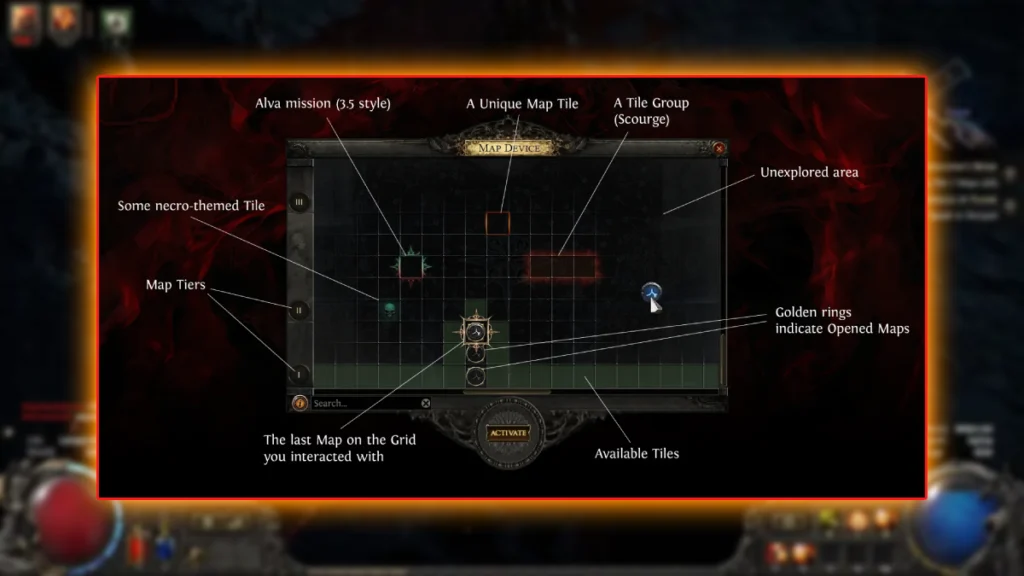
Regular mapping is the core of PoE2 endgame and one of the most accessible ways to farm Divine Orbs for both solo and group players. The idea is to run high-tier maps (Tier 14–16+) with maximum monster density and quantity, so that you naturally get more currency drops and the chance for Divines increases. Here’s how to optimize map farming:
Invest in Map Juice: Don’t just run maps plain. Chisel your maps (20% quality), then Alc and roll them for pack size and quantity bonuses. Use Scarabs and Sextants that add extra monsters or reward mechanics. For example, pack size from Elder/Shaper influence, Sextants that add Beyond demons or extra strongboxes, and Scarabs for Breach or Ambush will greatly increase monsters and loot. Experienced players recommend taking “all the atlas nodes that increase pack size” and using well-rolled maps with additional Quant.
Use Eldritch Altars (Searing Exarch/Eater of Worlds): Run maps influenced by the Eldritch bosses to get altar bonuses. Focus on altar choices that boost quantity or convert drops into valuable currency. Notably, a Searing Exarch altar can offer a modifier that causes monsters to drop additional currency items. This is how those crazy loot explosions (like dozens of Divines or scarabs from one mob) occur – a combination of huge mob count and a currency conversion altar. Even on a smaller scale, altar mods that add raw currency or duplicate drops can significantly increase your Divine Orb haul.
Prioritize Good Map Layouts: Some map layouts allow faster clears and higher monster count. Open layouts like City Square, Dunes, Strand, Tropical Island, Atoll etc., are popular for smooth farming. You can also target maps that drop valuable Divination Cards (for instance, Cemetery or Defiled Cathedral which have expensive card drops). If you find a map that you enjoy and can run quickly, set it as a Favorite on the Atlas to boost its drop rate.
Atlas Passive Tree – Farm League Mechanics: Use your Atlas passives to boost rewarding mechanics within maps. For example, you can spec into Expedition, Harbinger, Strongboxes, Ritual, or others depending on what you find profitable. Many players swear by Expedition (more on this later), but even mechanics like Ritual or Breach can be lucrative if specced correctly, because they add extra chances at currency and items. Adjust your Atlas tree to amplify the content you plan to farm most often in maps.
Clear Fast and Efficiently: When running juiced maps, speed is key. Use a high-DPS build that can clear full screens of monsters quickly. Skip overly tanky rare monsters if they slow you down significantly, unless they have those juicy altar conversion mods. The more maps you can complete per hour, the more currency and chances at a Divine Orb drop you’ll get. Some players even adopt a “ping-pong” strategy of quick mapping for boss invitations – for example, running 25 influenced maps as fast as possible to spawn the Searing Exarch invitation, which you can sell for about 1 Divine each. This tactic leverages mapping speed to generate valuable boss fragments with minimal actual combat.
Olroth can be one of PoE 2’s tougher encounters, demanding top-tier gear and careful timing to see you through the chaos. That’s why our PoE 2 Olroth Boost steps in, helping you seize valuable rewards and sidestep hours of stressful attempts.
Step-by-Step: Efficient Solo Map Farming
1.Set Up Your Atlas:
Specialize in mechanics that add monsters or currency. Take atlas passives for monster quantity (Shrines, Beyond, etc.) and your target league mechanic (like Expedition or Harbinger nodes). Ensure you have influence altars unlocked.
2.Prepare Your Maps:
Choose a Tier 16 map with a fast layout (e.g. Dunes). Use Cartographer’s Chisels to 20% quality, then roll it with an Alchemy Orb. If the mods are easy enough, Vaaling the map for 8 mods or chance at double influence can further increase loot. Apply Sextants on your Voidstones that add monsters (e.g. “Areas contain additional packs of monsters” or extra Strongboxes). Slot in Scarabs – for instance, Rusted Ambush (more Strongboxes), Rusted Breach (more mobs), and a Rusted Elder Scarab (additional influence pack size).
3.Maximize Quantity/Pack Size:
In-game, activate your map with the influence of either Eater or Exarch (whichever you prefer farming). Before entering, use fragments if available (Sacrifice fragments can add a tiny bonus quantity). The goal is to reach high Item Quantity on the map. With all these pieces, your map might have +100% or more Item Quantity, greatly boosting drops.
4.Clear and Prioritize Altars:
Rush through the map killing everything in your path. Each time an Eldritch altar appears, choose rewards that yield currency when possible. For example, Exarch altars can have “basic currency items drop x% more often” or even convert all dropped items of a certain type into currency. Always pick the +Quantity or +Rarity altar effects for more loot. If you get a conversion mod (like “Jewelry drops as currency”), be prepared for a big payout – killing the next rare monster with that mod can result in multiple raw Divine Orbs dropping at once in lucky cases.
5.Rinse and Repeat:
Use your six portals efficiently – if you full-clear, you can exit and start the next map. Maintain a smooth rhythm to complete as many maps as you can per hour. Periodically, you’ll earn boss invitations (Maven’s Writs, Exarch/Eater invitations). Sell these or run them as you prefer for extra profit. Over many map runs, you’ll accumulate raw currency, high-value divination cards, and maybe the occasional Divine Orb drop. Even if Divines don’t drop every session, the sum of all your loot can be traded for Divine Orbs regularly.
6-Man Magic Find Parties (Group Mapping)

If you have a capable team, group mapping with Magic Find is arguably the fastest way to farm Divine Orbs in PoE 2. The concept is to exploit how Item Quantity (IIQ) and Item Rarity (IIR) from multiple players and specialized gear stack in a party, resulting in far more loot than solo. A typical setup is 5 damage dealers + 1 dedicated MF culler (or 4+1+ maybe an aura bot), where the MF character has culling strike and extremely high rarity/quantity to get credit for killing tough rares or bosses. This causes extra currency to drop. In trade leagues, this strategy effectively “converts excessive drops into Divines” by multiplying the number of Exalted Orbs and other lesser currency that drop, which can then be traded up for Divines.
Gathering effective leveling gear in Path of Exile 2 can be tough, especially when new patches tweak the meta and leave you scrambling for upgrades. That’s why our PoE 2 Leveling Gear service clears the path, letting you power through early content and ramp up your build without the usual headaches.
How to Execute Group MF Mapping:
All players should run a juiced map together (as outlined above for solo, but even more extreme juice: use Winged Scarabs, maximum sextants, 8-mod corrupted maps, etc.). The MF culling character typically uses Quantity gear (Goldwyrm boots, Ventor’s Gamble rings, etc.) and an Item Rarity support gem to finish off rare monsters and map bosses at low health. With atlas altar mods like currency conversion, this can lead to incredible results. For example, a rare monster with a conversion mod might normally drop 5 Chaos Orbs; in a MF party that could turn into a pile of 5 Divine Orbs instead due to the loot conversion and quantity scaling.
It’s not unheard of for well-oiled groups to farm hundreds of Divines in a single farming session. A community example from Trial of the Ancestors league showed a duo MF team making over 500 Divines each in about 26 hours of farming, which is around 20 Divines per hour per player – a figure solo players can rarely achieve. Keep in mind, coordinating such groups requires trust (to split loot fairly) and game knowledge. If you’re just starting out, consider joining experienced MF groups through community Discords or forums, but be wary of the high gear requirements for the MF role (and the risk of dying in heavily modded maps).
Tip: If group play isn’t your thing, you can still borrow some MF principles in solo play. For instance, you might equip a bit of Quantity gear on your solo mapper. Just note that Item Rarity has limited effect on currency drops (it mainly affects rarity of equipment), whereas Item Quantity affects everything. In PoE2, anecdotal reports suggest moderate rarity can help with more frequent Divine drops, but stacking quantity (via atlas, gear, and party size) is far more impactful for raw currency farming.
Boss Farming and Pinnacle Boss Carries
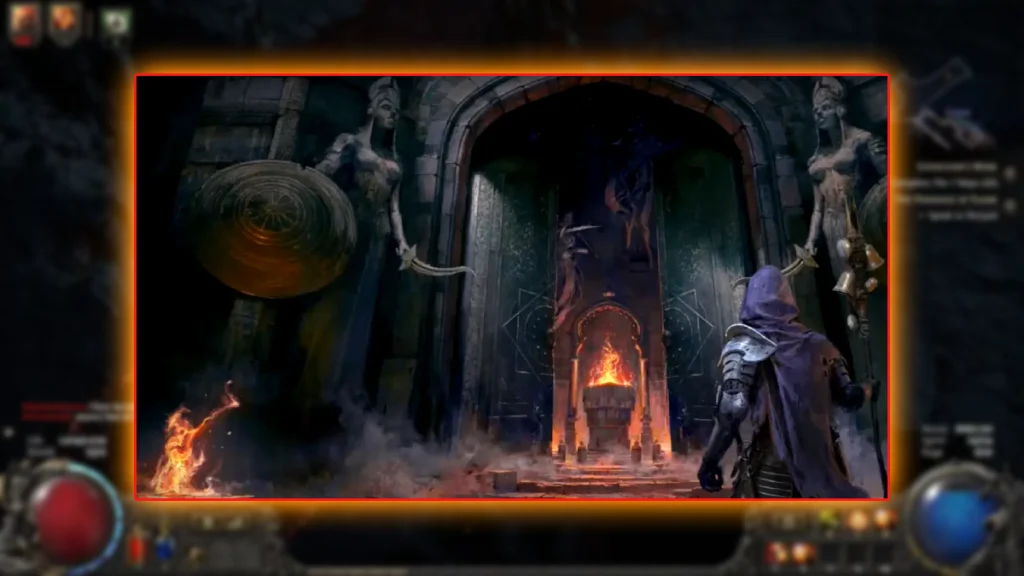
Boss farming is a more targeted approach: instead of killing thousands of regular monsters, you kill challenging bosses for their valuable loot. In Path of Exile 2, not every map has a boss by default (GGG made bosses more special), so you may actively choose “boss maps” or endgame boss arenas to farm. The payoff is that many bosses drop unique items or fragments that trade for multiple Divines. Here’s how boss farming can net you Divine Orbs:
Target High-Value Bosses: Not all bosses are equal. Pinnacle bosses (the toughest endgame encounters) tend to have the most valuable loot. This includes fights like the Breachlords, Cortex, the Trial of the Sekhemas final boss (Zarokh), or whatever new uber-bosses exist in PoE2’s endgame. For example, Trial of the Sekhemas is a special endgame trial where the final boss drops a boatload of items including Divine Orbs guaranteed. It can also drop Temporalis, a unique item that sells for an exorbitant amount of Divines. Bosses like this are worth farming on repeat if you can handle them.
Fragment Rotations: Many endgame bosses require fragments or keys (e.g. Scarabs for Breachlords, Emblems for Legion, or Map fragments for Maven/Elder). One strategy is to team up in a rotation, where each player contributes a set of fragments to spawn the boss and you take turns. This way, you fight the boss multiple times in a row, and everyone gets to keep the loot from the fight they funded. Over a series of rotations, RNG usually evens out. For instance, if you rotate Maven fights and one of the runs drops an Awakened Enlighten or a Maven’s Orb worth several Divines, the person whose run it was gets a big payout. Consistently doing rotations increases your chances of hitting a jackpot drop that you can trade for Divine Orbs.
Sell Boss Loot and Rewards: Boss farming yields high-value uniques, currency, or craft bases that can be sold to other players for Divine Orbs. A classic example in 2025: the unique amulet Astramentis (if it drops with perfect rolls or in a modified form) was being traded for 160–175 Divines in PoE2 – an extreme case, but it shows how lucrative boss drops can be. More commonly, bosses drop things like Omen of Fortune (upgrade to Mirror shards), special currency (eg. Eldritch Chaos/Divine Orbs), or unique items like Omniscience, Ashes of the Stars, etc., which often fetch anywhere from 5 to 50 Divine Orbs depending on the league economy. By defeating these bosses and selling the spoils, you effectively “farm Divine Orbs” through trading.
Offer Carry Services: If you are skilled at boss fights and have a powerful character, you can make currency by carrying other players through bosses in exchange for payment. For example, charging a fee (in Chaos or Divines) to kill someone’s Searing Exarch or uber Lab trial. The carry service model means you spend a few minutes to kill a boss for someone and get paid a portion of the loot value upfront. This was mentioned in community discussions as an alternative to mapping or flipping. It can be very profitable in a trade league if you build a reputation, since it requires no loot RNG – you get Divines for your service directly. The downside is you need to be reliable and extremely good at the fights.
Nabbing a Mirror of Kalandra in Path of Exile 2 can work wonders for your build, yet farming one often feels like an endless grind. Our PoE 2 Mirror of Kalandra service cuts out the hassle, letting you gear up quickly and enjoy high-end content without the usual frustration.
Step-by-Step: Boss Farming (Solo or Small Group)
1.Choose a Boss to Farm:
Identify which boss’s drops are valuable this league. Let’s say you target the Trial of the Sekhemas (Zarokh) since it has guaranteed currency drops.
2.Obtain Entrance Keys:
In PoE2, you might need a key (e.g. a Barya item) to access the Sekhema trial. These drop from mapping. Accumulate a few keys so you can chain-run the trial.
3.Optimize Your Boss Killer:
Respec or gear your character for single-target DPS and survivability. For Sekhema’s trial, for instance, you want a build that can “melt the boss in under two minutes” and ideally not get hit (to preserve your Honor, the trial’s special life mechanic). Cap your resistances, learn the boss mechanics, and perhaps use damage immunity flasks or specific tech to avoid failing the trial.
4.Fight the Boss Repeatedly:
Go in and clear the trial or boss arena. Upon victory, pick up all valuable loot. In Zarokh’s case, it will drop several rares, currency, and potentially a Divine Orb or unique. Repeat this process – each run gives experience with the fight and a chance at big-ticket items.
5.Trade Your Drops:
Identify which loot is worth Divines. Maybe you got a Temporalis unique – sell it for its market price in Divines (some items like that can be 50+ Div). Lesser boss drops like Invitation fragments can be sold in bulk (e.g. 10 Maven’s Writs for X Divines total). By converting all your boss loot to currency via trading, you’ll end up with a healthy Divine Orb stash. Even without a mega drop, the accumulation of boss drops (fragments, uniques, special currency) over many runs should net a good number of Divines.
Boss farming can be a bit feast-or-famine (i.e. you might go dry on valuable drops for several kills then hit a jackpot). It’s recommended to combine boss farming with regular mapping – maps get you the fragments/keys and additional income to sustain you between big boss drops. Overall, bossing is a “high risk, high reward” strategy but with knowledge (knowing which bosses and when to farm them early in a league) it can be one of the fastest ways to earn Divine Orbs. Conquering King of the Mists in PoE 2 is no small feat, given the intricate boss fights and constant pressure to gear up. Our PoE 2 King of the Mists Boost ensures you breeze through those hurdles, securing valuable loot and bragging rights without the usual hassle.
Heist – Steady Currency from Thievery
Heist has earned a reputation as a “currency printer” in Path of Exile. While it was toned down from its glory days, Heist in 2025 is still an extremely effective solo farming method to get raw currency and items that convert to Divine Orbs. The advantage of Heist is consistency – instead of praying for big RNG drops, you open a lot of chests that yield Stacked Decks, currency shards, essences, catalysts and other goodies that can be sold in bulk. Here’s how to make the most of Heist:
Set Up Your Rogues and Trinkets: Before diving in, invest a bit in your Heist kit. Level up your Heist rogues (especially ones like Tibbs, Karst, Niles, Gianna). Gianna is valuable for Grand Heists because her ability to reveal rooms cheaply saves you currency. More importantly, obtain a good Thief’s Trinket from a Grand Heist – these special items can modify currency drops in Heists. For example, a high-end trinket can give a 4% chance for Chaos Orbs to drop as Divine Orbs instead or a chance for Regal Orbs to drop as Divines. Such a trinket directly increases your Divine Orb yield by upgrading lesser currency drops.
Chain-run Contracts: Focus on level 81+ Contracts (max level), as only those can drop the highest tier loot. You can buy them cheaply from other players or farm them via Smuggler’s Caches in maps. Deception and Lockpicking contracts are player favorites for raw currency returns, but any contract type can work. One strategy is to bulk buy a set of contracts (say 100 contracts) and run them all. Each contract only costs a few Chaos Orbs to purchase, but the loot inside can be significant – one player documented 85 Divines of profit from 24 hours of Heist farming using a Caustic Arrow build, averaging over 3 Divines/hour.
Maximize Chest Rewards: In Heist, the goal is to open as many chests as possible and then escape. Don’t rush straight to the target; instead, methodically clear all small chests on the way out. Pay attention to currency chests, divination card chests, and unusual item chests (e.g. enchanted armaments or replica uniques) which can hold high-value items. With the right Atlas passive setup (in PoE1 there were Heist atlas passives; in PoE2 these might be different or global), you could even improve drops. But even without that, Heist reliably showers you with tradable loot – for instance, stacks of 20x Catalysts, dozens of Essences, and piles of Stacked Decks every run. These may not individually be Divine Orbs, but you can exchange them in bulk for Divines (e.g. sell 1000 Stacked Decks for a few Divines, etc.).
Blueprints and Grand Heists: For an extra boost, run Blueprint missions, which are basically “super Heists.” Blueprints for Thief’s Trinkets, Currency, or Enchanted Armaments tend to be most lucrative. Reveal as much of the blueprint as possible (Gianna helps with this). Although GGG removed some extremely profitable rewards (like Regrading Lenses) in recent updates, Grand Heists can still drop unique Trinkets or Unusual Gems that sell for a lot. If you hit an exceptional reward (like a Alternate-Quality gem that’s meta, or a good Replica Unique), that can be an instant Divine-worthy item.
Step-by-Step: Heist Currency Farming
1.Gear Up for Heist:
Use a character with good mobility and survivability (Heist mobs can be rippy at high levels). Equip a Thief’s Trinket that boosts currency outcomes (even a 2% Chaos->Divine chance trinket helps). Stock up on Rogue’s Markers for endless runs.
2.Acquire Contracts:
Visit Whakano in Rogue Harbor to buy any high-level contracts he offers. Then, trade with other players to buy bulk contracts – many sell them for cheap. Prioritize Deception, Counter-Thaumaturgy, Lockpicking as these are easy and profitable. Ensure your rogues meet the skill requirements.
3.Run the Contracts:
One by one, run contracts efficiently. Kill guards quickly (or even skip unnecessary fights if you can open chests without drawing aggro). Open every small chest you see – especially currency ones. If an alarm timer starts, don’t panic; you usually have ample time to hit a few more chests on the way out. Use smoke mines or movement skills to speed to the exit when things get hairy.
4.Loot Management:
After each Heist, sort the haul. You’ll accumulate tons of items like Orbs of Alteration, Orbs of Alchemy, etc. These can be saved and exchanged in bulk for Divine Orbs via trade (for example, many players trade lesser currency up – 500 Alterations might buy you 1 Divine Orb, depending on rates). More directly, sell Stackable items: Stacked Decks (sell in lots of 100+), Essences (sell by bulk tiers), Breach Splinters, Legion Splinters, etc. All these effectively turn into Divine Orbs when sold on the market.
5.Repeat and Blueprint:
Keep chaining contracts. When you feel ready, do an occasional Grand Heist (Blueprint). A Currency blueprint can drop raw Divine Orbs or Exalts in its big chest reward rooms, which is obviously great. But even without relying on jackpots, the steady flow of Heist loot ensures that after a set of runs, you can exchange your earnings for several Divines. It’s this reliability that makes Heist a favorite for solo farmers who want a predictable income.
Pro Tip: Heist can be inventory-intensive. Use a good item filter to hide junk and highlight valuable currency, and consider taking a short break to sell off loot every few runs so you don’t drown in items. Over time, you’ll learn which Heist drops are worth picking up and which to leave, increasing your efficiency (for example, you might ignore rare weapons/armors entirely and just grab currencies and uniques).
Facing Path of Exile 2’s fiercest bosses can push your build to its limits, especially if you’re missing top-tier gear or skill gems. That’s why our PoE 2 Bosses service steps in, helping you conquer these daunting encounters swiftly and claim the high-end rewards without the usual grind.
Delve – Riches in the Darkness

Delve offers a different flavor of farming: an infinite dungeon (Azurite Mine) where rewards scale with depth. It’s an excellent way to target currency and rare items, especially if you enjoy a mix of combat and exploration. The deeper you go in Delve, the higher the chance of encountering lucrative nodes that can drop raw currency (including Divine Orbs) and other high-value loot. Delving is mostly a solo endeavor in PoE, but it’s a popular one for farming currency.
Push to Depth 600+ (or as deep as your build allows): Shallow Delves (depth < 200) won’t give good rewards – you’ll mostly see low-tier fossils and scraps of azurite. The real payoff starts at depth 500 and beyond. At these depths, you begin to encounter the special biomes and city areas regularly. The Azurite Mine has distinct biomes (Frozen Hollow, Fungal Caverns, Abyssal City, Vaal Outpost, Primeval Ruins, etc.). Among these, city biomes like Abyssal City, Vaal Outpost and Primeval Ruins are treasure troves. They contain multiple loot chests at the end of the Delve path. For instance, an Abyssal City node often has chests that drop stacks of currency and extra map items. Primeval Ruins can have currency plus fractured items and maps. At high depths, those chests have a chance to drop raw Divine Orbs (albeit rare) or plenty of other currency that adds up.
Know Your Nodes: Not every Delve node is equal. Currency nodes (marked with a currency symbol) are obviously prime targets – these can drop anything from Chromatic Orbs up to Exalts/Divines in one go if you’re lucky. Divination card nodes can drop valuable cards (imagine pulling a Divine Orb card or even a Mageblood card from a Delve card stash!). Fossil and Resonator nodes provide fossils which can be sold for crafting profit. While fossils themselves might not trade for Divines individually, some like Tangled Fossils or Fractured Fossils are extremely valuable. Even selling bulk common fossils can net Divines. So, don’t ignore profit that isn’t in “orb” form – it can always be converted via trade.
Sustain Your Sulphite: Delving requires Voltaxic Sulphite, which you get from mapping (Niko missions or randomly spawned Sulphite veins). To maximize Delve time, use your Atlas passives: take all the “Sulphite Infusion” and capacity nodes if available, so that each map gives a large chunk of Sulphite. Also, upgrade your Sulphite Capacity at the Mine Encampment so you can store a lot and then Delve for long sessions. The strategy many use is to map to gather Sulphite, then spend it all in one Delve dive, then go back to mapping for more Sulphite, and so on.
Step-by-Step: Delve Farming for Divines
1.Unlock and Upgrade Niko:
In the campaign or early mapping, make sure to do Niko missions to gain access to the Mine. Spend Azurite (from early Delves) to upgrade Light Radius and Darkness Resistance first, then capacity and flare duration as needed.
2.Accumulate Sulphite:
When mapping, select Niko daily missions or use Scarabs for Sulphite if needed. With Atlas passives, each map can fill a good portion of your Sulphite cap. For example, a single yellow map might give 1,000 Sulphite with all bonuses, letting you do multiple depth-500 Delve encounters.
3.Choose a Target Depth:
If your build is strong, try to descend to at least depth 500. You can do this gradually, taking easier side paths if a node is too difficult. Once at your target depth, Delve laterally (“sideways”) to stay around that depth where rewards are optimal. This way you hit many lucrative nodes without the content getting even harder.
4.Focus Profitable Nodes:
Check the Delve map for nodes with valuable outcomes. For instance, if you see an Abyssal City ahead, prioritize reaching it – these have multiple chests full of currency and items. Similarly, a Primeval Ruins node might yield fractured fossils or a shot at a special boss (Aul, the Crystal King). Aul can drop the Crown of the Tyrant and other uniques which sell well, as well as large amounts of currency if you defeat him. Even if you can’t kill Delve bosses, just grabbing the chests and moving on is fine.
5.Efficient Looting:
Use flares to venture into side tunnels off the main path – often Fractured Walls hide secret rooms with extra chests containing currency, fossils, and resonators. Breaking those walls is key to maximizing loot. Speed is important because of the darkness damage, so plan your path, throw a flare, grab loot, and return to the crawler light. Over time you will gather an inventory full of fossils (sell valuable ones individually and bulk-sell the rest) and raw currency items.
6.Trade and Reset:
After exhausting your Sulphite, surface and tally up the haul. Sell off any high-ticket items (unusual fossils like Bloodstained Fossil or Enchant Fossil can be several Divines each in the right market!). Convert Azurite into Resonators to sell if multi-socket resonators are in demand. Essentially, liquidate what you found into Divine Orbs by selling to crafters. Then, go back to mapping to refill Sulphite and repeat the cycle.
Delving can feel like its own game, but it’s a proven method to get rich. The deepest Delvers in PoE often appear on leaderboards with absurd amounts of currency. Even at moderate depths, you’ll enjoy a steady trickle of currency and occasional big finds, all of which help you stockpile Divine Orbs over time. Plus, Delve has the side benefit of granting tons of experience without the risk of map one-shots, so you can level up while farming currency.
Securing a Mirror of Kalandra in Path of Exile 2 can feel like chasing a ghost, thanks to its scarcity and sky-high trade value. Our PoE 2 Mirror of Kalandra service cuts the grind, letting you craft dream-tier items and focus on the thrill of endgame content instead.
Other Profitable Activities for Divine Orbs
Beyond the “big four” methods above, Path of Exile 2 offers many other mechanics and league content that can be extremely profitable. Often, the best strategy is to incorporate a mix of these into your mapping or dedicate some sessions to them. Here are some of the top activities worth considering:
Expedition: Expedition (with Rog, Tujen, Dannig, and Gwennen) remains hugely profitable. It adds explosives and undead mobs to your maps, and yields Expedition currency artifacts. The strategy: spec Expedition on your Atlas, and in maps, carefully place explosives to maximize artifact rewards and spawn as many monsters as possible. Focus on remnants that grant quantity multipliers or additional currency drops (e.g. “Runic monsters drop 250% increased quantity” or “Drops additional currency shards”). After the explosion, slay all the spawned monsters and loot the chests. Sell any Logbooks that drop (Logbooks are in high demand and can be 1–3 Divines each if from good zones). Then use artifacts with the NPCs: Tujen will trade you bulk currency for artifacts (which can directly give you Divines or lots of Chaos), Rog can craft items that you resell, and Gwennen gambling can hit valuable uniques. A simple approach is to spend all artifacts at Tujen for raw currency, then convert to Divines via trade. Players report that even without extensive knowledge, just running Expeditions in your maps and selling the yields can reliably net about 2–4 Divines per hour in total profit. It’s relatively low risk and doesn’t require a specialized build, making it great for solo farming.
Trial of the Sekhemas (Uber Lab 2.0): We touched on this in bossing, but it deserves emphasis. The Trials of the Sekhemas are essentially uber-Ascendancy labs that drop high rewards. Each run can drop a Divine Orb or two plus other loot if done flawlessly. The trick is obtaining the keys (Baryas) and having a build that can avoid getting hit. If you master these trials, you can speed-run them for consistent Divine Orbs – almost like running a dungeon for a guaranteed payout. It’s comparable to how players in PoE1 ran the Eternal Lab for treasure keys and Enchants to sell. In PoE2, the unique reward Temporalis from these trials is extremely valuable, which bolsters the average profit per run. This is a high-skill farming method but one of the fastest in terms of raw Divines if you’re an expert at it.
Breach and Delirium: Both Breach and Delirium are league mechanics known for high monster density and valuable drops, which translates to more Divine Orbs in the long run. Spec’ing into Breach on the Atlas means every map will spawn breaches – each breach is basically a bonus arena of monsters that can drop currency, Breachstones, and breach-specific uniques. Breachstones (especially Flawless or Charged ones in PoE2) can be sold for good money. Delirium, on the other hand, either via Delirium Orbs on maps or running the Simulacrum, yields Simulacrum splinters, cluster jewels, and tons of extra loot from the mist. It was noted that in PoE2’s endgame, Breach and Delirium are quite good for farming Divine Orbs due to the sheer number of monsters and loot explosions they create. For example, a well-geared character farming a 100% Delirious map can end up with inventories full of cluster jewels (some worth multiple Divines) and other valuable drops each run. These mechanics shine in group play too – you could have a party pop a Delirium mirror, clear 5 Delirium reward bars, and see heaps of currency at the map boss. Include these in your strategy if your build can handle them.
Legion and Blight: These two are also notable. Legion encounters (monoliths) freeze a large army of monsters that you can then unfreeze and kill all at once – leading to big loot showers. Emblems from Legion can be sold or run as 5-way battles for XP and loot. While Legion is more known for unique splinters (which can be converted to Timeless Emblems worth a chunk of currency), those can indirectly get you Divines. Blight, especially Blighted Maps and Blight-Ravaged maps, can drop a lot of oils and loot. Golden Oils or Blight uniques can trade for Divines. Some players enjoy semi-AFK Blight farming with a specialized tower build – it’s slower per map but quite rewarding if you stockpile high-tier Blight maps.
Harvest and Crafting: While not exactly “farming” drops, engaging in Harvest crafting or other crafting league mechanics can generate Divine Orbs by creating valuable items. Harvest in 2025 allows you to exchange lifeforce for currency or re-rolls. If you farm yellow plants, you might hit that elusive “Reforge keep prefix” craft that you can sell to someone for a few Divines. Essence farming (speccing Essence on atlas, cracking essence-monsters) is another way: get a stash of Deafening Essences (like Greed, Sorrows, etc.), then sell them in bulk for Divines or use them to craft items that sell for Divines. This is more of a supplemental strategy, but worth noting.
Trading and Flipping: Finally, outside of direct gameplay, the economy itself can be a goldmine. Many experienced players on forums mention that the fastest way to get wealthy is to leverage trading – “buy low, sell high.” For instance, you can farm simpler currency like Chaos Orbs or Exalted Orbs and then trade up for Divines (historically, about ~100+ Chaos = 1 Divine in value, or ~115 Exalts = 1 Divine as noted in trade listings). Some people flip items: purchase undervalued uniques or bulk materials and resell them at a profit. Others sell services or crafts (e.g. using their high-level crafting bench mod in exchange for a fee in Divines). Trading is its own skill, but if you enjoy the market aspect, it can dramatically speed up how many Divines you acquire. Always stay updated on market prices and trends – if a new build makes a certain unique spike in price, capitalize on it. One community tip is to collect popular base items (even normal white bases) that crafters want, such as a good Attuned Wand base or an Expert bow base, and sell those bases for a bunch of Exalts – then turn those Exalts into Divines. The key is identifying demand and providing for it.
To summarize these “other” methods: virtually any league mechanic or game system in PoE2 can be converted into Divine Orbs with the right approach. The best strategy often is a hybrid one – e.g. do your map grinding, but also do an Expedition in each map; kill map bosses and occasionally run an endgame boss; delve when you need a change of pace; trade off your surplus items for currency efficiently. This way you are leveraging multiple income streams. Below is a quick comparison of the different methods covered, to help you decide where to focus:
| Farming Method | Solo or Group | Estimated Profit (Div/hr) | Pros | Cons |
|---|---|---|---|---|
| Juiced Mapping (T16+) | Both (solo good; group excellent) | 2–5 solo; 10+ in group | High monster count = many drops. Scales with investment (can add mechanics for more loot). Chance for big altar-driven Divine drops. | Requires strong build for juiced content. Some RNG – big drops not guaranteed every run. In group, need coordination and loot sharing. |
| Boss Farming (Endgame bosses, Trials) | Both (solo or small group) | 1–4 (varies by boss RNG) | Can yield very high-value uniques (sell for dozens of Divines). Boss fragments/invitations are steady income. Engaging challenging content. | Inconsistent drops (feast or famine). Learning bosses can be difficult. Farming requires keys/fragments (prep work). |
| Heist (Contracts/Blueprints) | Solo | ~3–4 | Reliable and steady profit (lots of small currency). Low variance – every run gives something. Can be done on a modest build (safe if careful). | Heist gameplay can feel repetitive. Requires managing Rogue gear and reveals. Inventory management and trading bulk items. |
| Delve (Depth 500+) | Solo | ~2–5 (depending on depth luck) | Can target specific loot (fossils, bulk currency). Scales with character power – deeper yields great loot. Alternative to mapping if you enjoy it. | Needs sulphite from maps (indirect prep). Hard at very deep levels (gear check). Some drops require trading to realize value (e.g. fossils). |
| Expedition (Logbooks) | Solo (party possible but not common) | ~2–4 | Very high reward per encounter (artifacts -> currency). Logbooks drop can spike profit. Doesn’t need specialized build (just clear mobs). | Slightly time-consuming to place explosives each time. Artifact trading with vendors can be slow. Prices of Expedition loot can fluctuate. |
| Group MF Party (6-man) | Group | 15–25+ (with optimal setup) | Unmatched loot output when done right (tons of raw Divines, exalts, etc.). Fun teamwork experience. Each map feels like hitting a jackpot. | Only works in trade leagues (requires economy to trade excess exalts). High gear and game knowledge requirement. Loot splitting and coordination issues can arise. |
Note: The profit per hour figures above are rough estimates from community reports and can vary by league and player efficiency. They assume a level 90+ character with a decent build; your results may be lower if you’re just starting out, but they give a sense of the potential with each method.

Conclusion
In Path of Exile 2 (2025), farming Divine Orbs efficiently is about choosing the right content for your playstyle and optimizing it. If you prefer killing hordes of monsters, invest in juiced mapping and maybe bring in friends for group magic find. If you like targeted goals, farm specific bosses or delve for buried treasure. More methodical? Run Heists or Expeditions for predictable gains. And don’t forget to trade your spoils – profit isn’t profit until you convert it into those shiny Divine Orbs in your stash!
One final piece of advice from veteran players: the fastest farming method is one that keeps you engaged. If you force yourself into a strategy you hate just because it’s meta, you might burn out and end up farming less overall. As a wise exile noted, “More fun = play more = more currency… It’s amazing how so many people push themselves into unenjoyable farming strats just because that one is more div per hour.” So, find a balance between efficiency and enjoyment. With the tips and strategies outlined above – and a bit of practice – you’ll be well on your way to maximizing your Divine Orb earnings. Good luck, and happy farming!